Wilderness Landscape & Natural Heritage
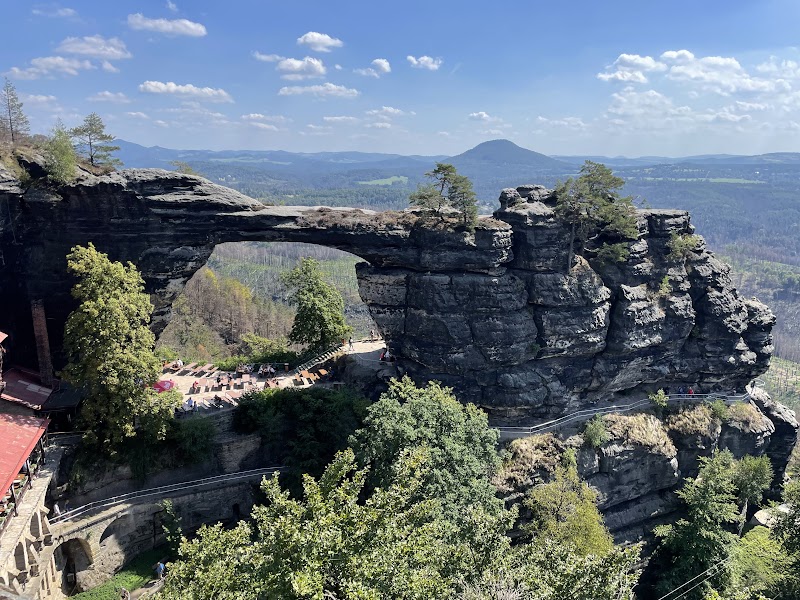
The Natura 2000 Sites in the Sudetes Foothills represent a mosaic of protected habitats located primarily in the Lower Silesian Voivodeship of southwestern Poland. These sites form part of the broader Natura 2000 network, which is the European Union's flagship initiative to conserve biodiversity. The Sudetes Foothills encompass a transition zone between lowland forests and the higher mountainous ecosystems, featuring varied terrain, rich geological formations, and a mix of deciduous and coniferous forests. The area is valued for its limestone outcrops, calcareous meadows, and riparian habitats along small rivers and streams. Several rare and protected species inhabit these sites, including important avifauna such as black storks and various woodpecker species, amphibians like the fire salamander, and bat populations relying on forested and rocky environments. Historically, the Sudetes Foothills have been shaped by human influences such as traditional agriculture and forestry, but many areas remain relatively undisturbed and are critical for maintaining regional ecological connectivity. Visitors to the Natura 2000 Sites can enjoy hiking on marked trails through forests, observing diverse birdlife, and exploring karst formations and small caves. The sites lie near charming historic towns and cultural landmarks, offering a blend of natural and cultural heritage. Ecotourism is encouraged with minimal impact to preserve the habitats. Seasonal variations bring vibrant wildflower blooms in late spring and colorful foliage in fall. These protected sites serve as important outdoor destinations for naturalists, photographers, and those seeking peaceful nature experiences in a less crowded setting than the adjacent mountain national parks.