Wilderness Landscape & Natural Heritage
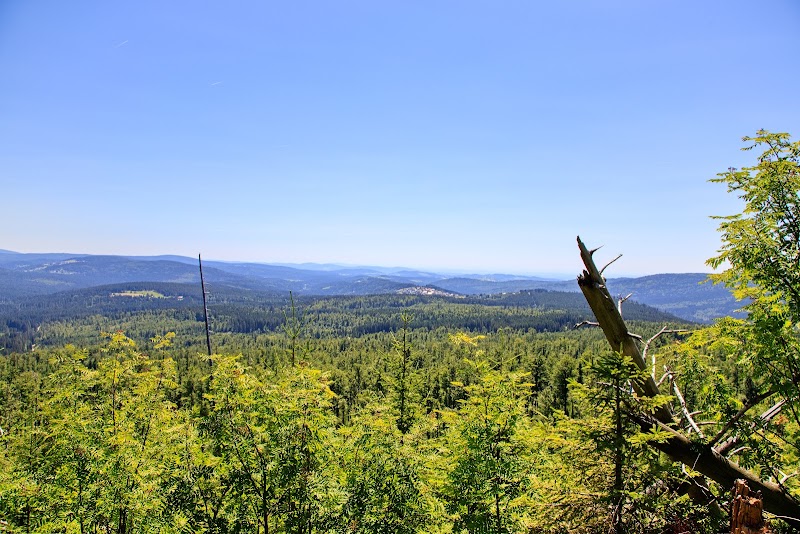
Nature Park Bavarian Forest covers a diverse landscape of dense woodlands, peat bogs, and mountain ridges, forming part of the larger Bavarian Forest region near the Czech border. Established in 1967, it spans approximately 2,184 square kilometers, making it one of Germany’s largest nature parks. Its geography is characterized by the low mountain range of the Bavarian Forest, with elevations ranging up to the Großer Arber summit at 1,456 meters. The park's ecosystems include mixed coniferous and deciduous forests, wetlands, and alpine meadows which provide habitat for diverse flora and fauna, including lynx, capercaillie, and the rare Eurasian otter. The park functions as a buffer zone surrounding the core Bavarian Forest National Park, emphasizing conservation alongside sustainable tourism and recreation. Visitors can explore numerous hiking and cycling trails, wildlife observation hides, and cultural sites such as historic villages and traditional Bavarian farmsteads. The area is also known for its winter sports facilities, including cross-country skiing and snowshoeing. Key landmarks include the Großer Arber mountain, Rachel Lake, and the Lusen summit within neighboring protected areas. The park is popular with families, nature photographers, and outdoor adventurers seeking quiet forest solitude and pristine natural settings. Numerous visitor centers provide educational exhibits and guided tours highlighting the rich natural and cultural heritage of the Bavarian Forest region.