Wilderness Landscape & Natural Heritage
The Nauener Platte Nature Reserve is located in the western part of Brandenburg, Germany, near the town of Nauen. It comprises a chalk-rich plateau formed from the Late Cretaceous period, resulting in a unique alkaline soil environment supporting rare and diverse xerophytic flora including various orchids, gentians, and other specialized steppe vegetation. The area spans over dry grasslands, sparsely wooded sections, and open sandy soils, maintaining a habitat that has become increasingly rare in Central Europe due to agriculture and development. Geographically, the reserve lies within a gently rolling landscape that contrasts sharply with the surrounding forests and agricultural fields.
Historically, the Nauener Platte region has been used for grazing and low-intensity agriculture, helping to preserve its characteristic open landscapes. Since it was declared a nature reserve, conservation efforts have focused on maintaining this traditional land use to protect the sensitive species and habitats. The reserve serves as a vital refuge for numerous insects such as butterflies and grasshoppers, and breeding birds adapted to steppe conditions.
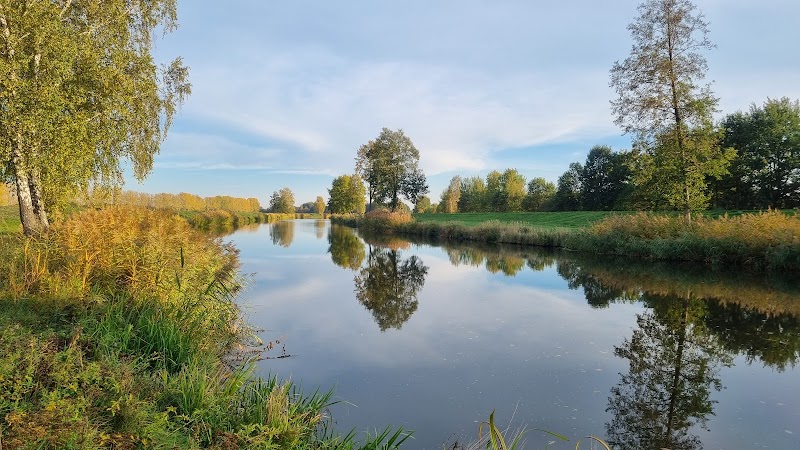
Visitors to Nauener Platte enjoy hiking on marked low-impact trails to explore the rich botanical diversity and panoramic views over the plateau. The reserve is also a favored spot for botanists, photographers, and nature enthusiasts interested in rare European grassland ecosystems. Educational signs and guided tours occasionally help visitors better understand the ecological and geological uniqueness of this chalk plateau. Due to its fragile environment, the area encourages responsible recreation with an emphasis on preservation.
Overall, Nauener Platte Nature Reserve is a remarkable example of chalk steppe and dry meadow ecosystem protection in Brandenburg, offering outdoor enthusiasts a quiet, scenic, and ecologically important destination away from the more crowded tourist areas.