Wilderness Landscape & Natural Heritage
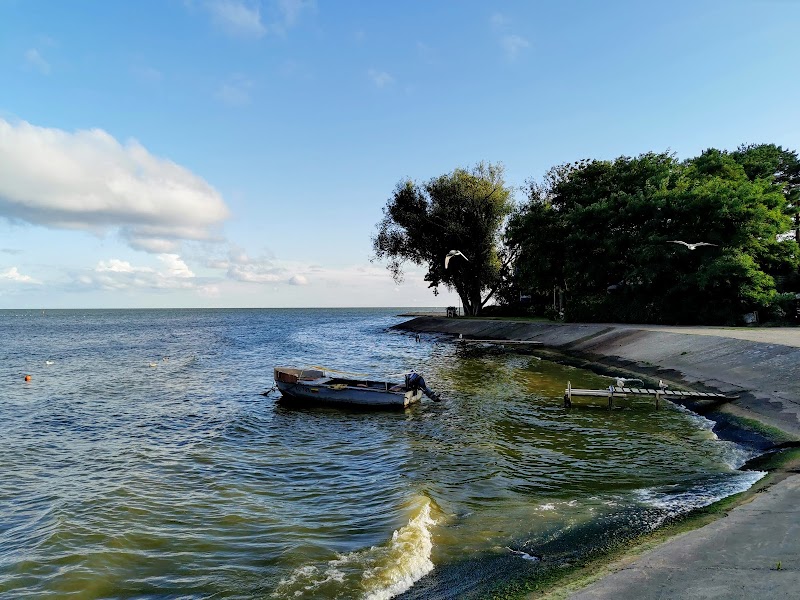
Nemunas Delta Regional Park, established in 1992, encompasses one of the largest and most ecologically significant wetland regions in Lithuania. Located in the western part of the country at the mouth of the Nemunas River—the largest river in Lithuania—the park covers expansive floodplains, reed beds, marshes, and a labyrinth of waterways and islands before the river flows into the Curonian Lagoon. The area’s rich mosaic of freshwater and brackish habitats supports an extraordinary diversity of flora and fauna, particularly serving as a vital breeding and stopover site for numerous migratory bird species, including rare and protected birds such as the white-tailed eagle, great cormorant, and bittern. The park is also home to a variety of amphibians, mammals like beavers and otters, and several rare plant species. Historically, the Nemunas Delta has been shaped by both natural processes and human use, including traditional fishing, reed harvesting, and small-scale agriculture, all of which are preserved under sustainable management practices. Recreation visitors to Nemunas Delta Regional Park can enjoy birdwatching from designated observation towers and trails, cycling on well-marked routes through scenic landscapes, kayaking and canoeing on slow-moving rivers and channels, as well as fishing. Special attractions include the Rusne Island settlements renowned for their cultural heritage and traditional lifestyle. The park appeals strongly to nature lovers, photographers, and outdoor enthusiasts seeking tranquility and a deep connection to one of Northern Europe’s wildest wetlands.