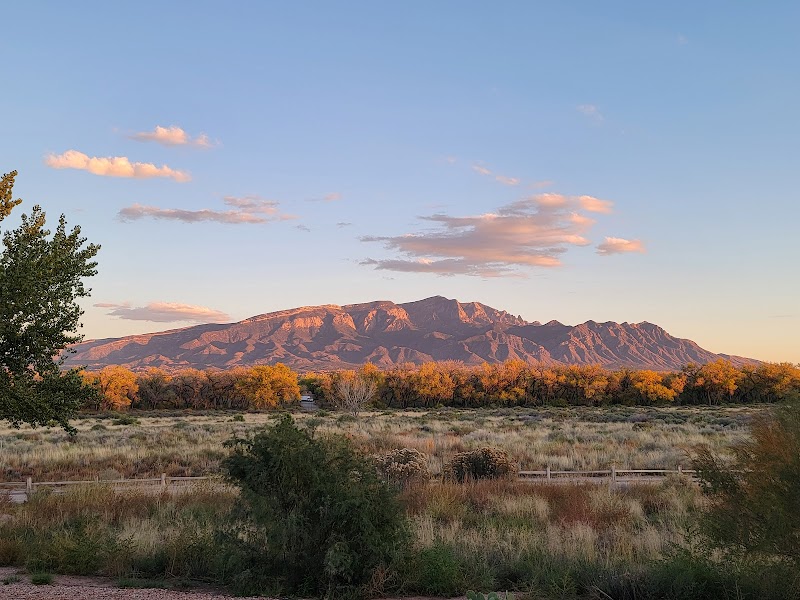
Wilderness Landscape & Natural Heritage
Nenadál Island Protected Area is located within the Aleutian Islands chain in southwestern Alaska. This protected area covers a small island, which is characterized by rugged coastlines, rocky shores, and dense coastal tundra ecosystems. The island's geography features steep cliffs, abundant seabird nesting sites, and sheltered coves providing habitat for marine and terrestrial species. Ecologically, Nenadál Island is important for its diverse bird populations, especially seabirds such as puffins, auklets, and murres, which use the island as a breeding ground. Marine mammals including sea otters and harbor seals are also commonly seen offshore. The island's vegetation consists primarily of low-lying shrubs, grasses, and mosses adapted to the harsh maritime climate and volcanic soils. Human history in the region is limited due to the island’s remote location and challenging access, but nearby Aleut communities have traditionally fished and harvested resources in surrounding waters. Recreational activities on Nenadál Island are focused on wildlife viewing, photography, and scientific research. The island's remoteness and lack of developed infrastructure mean visits are typically by boat or kayak, appealing to adventurous outdoor enthusiasts. Visitors can explore tide pools, observe seabird colonies, and enjoy the tranquility of one of Alaska's less-visited coastal wilderness areas. Due to its fragile environment and protected status, access is governed to minimize human impact and preserve the island's natural state.