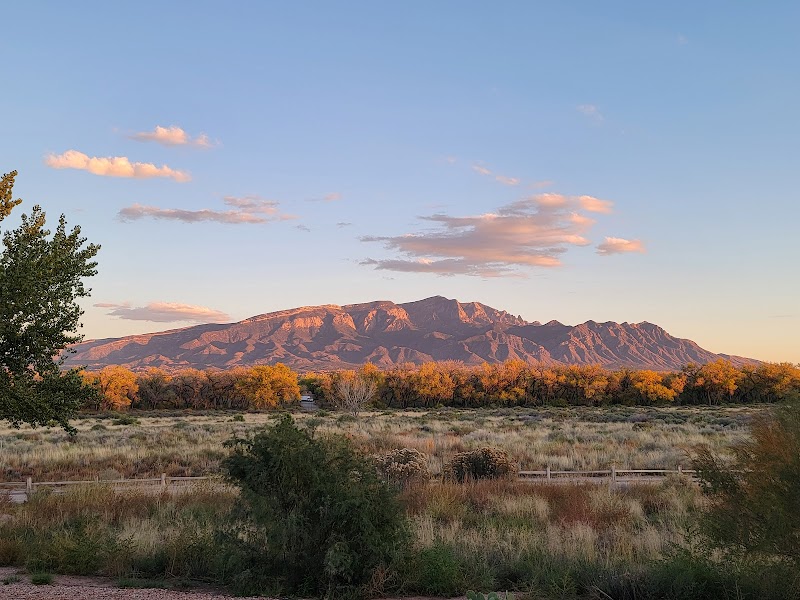
Wilderness Landscape & Natural Heritage
The New Forest Special Area of Conservation (SAC) is a protected region located in Hampshire, England. Covering approximately 28,000 hectares, it encompasses lowland heath, ancient broadleaved woodland, mires, and open pastureland, making it one of Europe's most ecologically valuable landscapes. The area's geography is defined by a mix of heath and forest habitats shaped by centuries of human activity, including commoning—the traditional practice of grazing ponies, cattle, and other livestock that continues to maintain the open habitat structure. The New Forest is home to a remarkable diversity of species, such as the rare Dartford warbler, adder, and various invertebrates, while its woodlands support multiple types of veteran trees and protected fungi. Historically, the forest was designated as a royal hunting ground by William the Conqueror in the 11th century and has retained much of its natural character through careful management and conservation efforts. Visitors to the New Forest SAC can enjoy numerous outdoor activities, including extensive walking and cycling trails that wind through heaths, forests, and along quiet country lanes. Wildlife watching is particularly popular, with opportunities to see free-roaming New Forest ponies, deer, and rare birds. The area also contains important archaeological sites, traditional villages, and historic landmarks such as Rufus Stone and Beaulieu Abbey nearby. The blend of accessible natural beauty, cultural history, and vibrant ecosystems makes it a compelling destination for nature lovers, photographers, and outdoor adventurers alike.