Wilderness Landscape & Natural Heritage
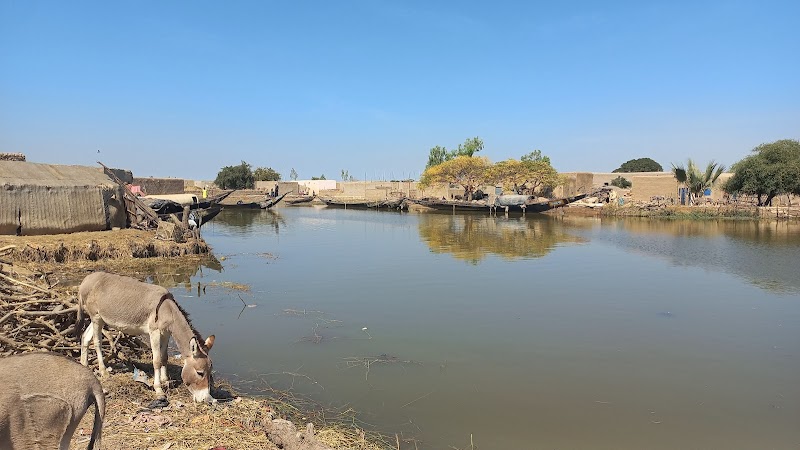
The Niger Inland Delta is an immense floodplain within Mali’s Mopti Region formed by the annual flooding of the Niger River. Covering approximately 70,000 square kilometers during the peak inundation, this inland delta transforms a dry Sahelian landscape into a fertile wetland supporting an abundance of aquatic life and migratory bird species. The ecological significance of the delta has earned it Ramsar Wetland of International Importance designation. Its complex system of channels, lakes, and swamps sustains a wide array of wildlife, including hippos, crocodiles, and over 150 species of waterbirds. The delta has historically been a center for fishing, farming, and herding for local communities such as the Bozo and Fulani peoples, who depend on its natural rhythms. Outdoor recreation here revolves primarily around wildlife viewing by boat or traditional pirogue canoe, fishing, and cultural visits to villages. Though there are no formal national parks or campgrounds, the delta’s remoteness and seasonal flooding make it a unique destination for eco-tourism and birdwatching expeditions. Key landmarks include the large flooded lake areas such as Lake Débo, and the seasonal wetlands that form extensive feeding grounds for fish and birds. Visitors are drawn to the delta for its rich biodiversity, the spectacle of seasonal flooding, and its traditional riverine cultures.