Wilderness Landscape & Natural Heritage
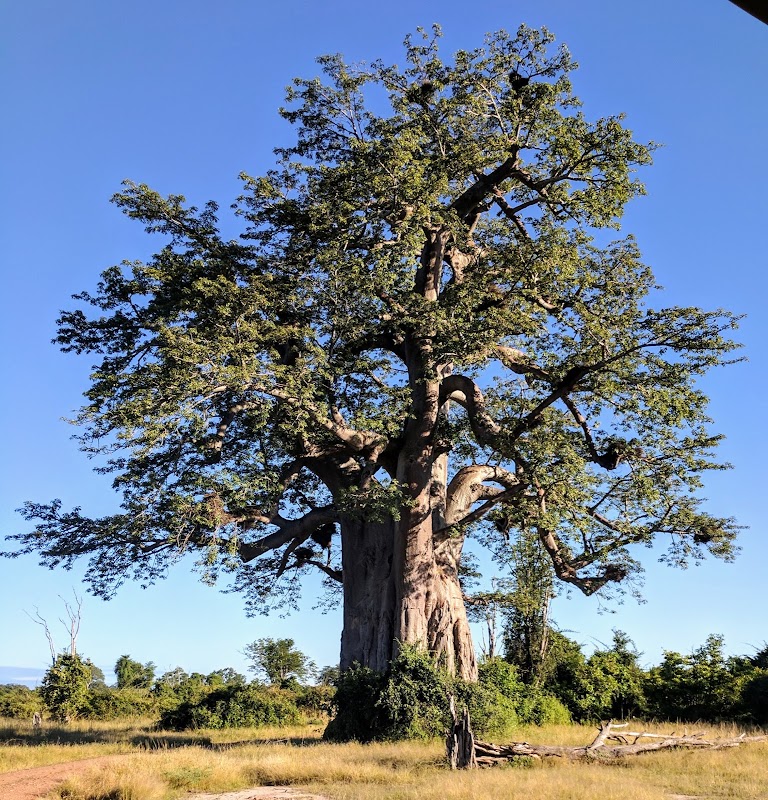
North Luangwa National Park, covering approximately 4,636 square kilometers in Zambia’s Muchinga Province, is one of Africa’s most untouched and least visited wildlife sanctuaries. The park lies along the upper Luangwa River and is characterized by dry deciduous woodlands, miombo forests, and seasonal floodplains. The region’s relative isolation and minimal tourist infrastructure have preserved its natural integrity, making it an important refuge for species that have been pressured elsewhere. North Luangwa supports strong populations of large mammals, including elephant herds, lion prides, leopards, water buffalo, and an especially notable population of endangered African wild dogs. The park also offers birdwatchers an impressive diversity of endemic and migratory species. Unlike its southern counterpart, North Luangwa has fewer established roads, so game drives require 4x4 vehicles and guided off-road skills, lending an adventurous edge to safari experiences here. The park’s conservation history dates back to its gazettement in 1972, with ongoing anti-poaching efforts and community engagement helping protect wildlife. Visitors mainly come for guided safari drives, walking safaris, and photographic expeditions. The absence of large-scale lodges creates a raw wilderness ambiance, making the park ideal for adventurous travelers seeking solitude and authentic wildlife encounters. Wildlife sightings, especially of wild dogs and large elephant herds near the Luangwa River, are often excellent. Access is typically via air charter flights from Lusaka or Mfuwe, with limited but exclusive lodge accommodations catering to small visitor groups. North Luangwa offers a striking contrast to more developed parks, emphasizing rugged bush experiences and deep immersion in East African savanna ecology.