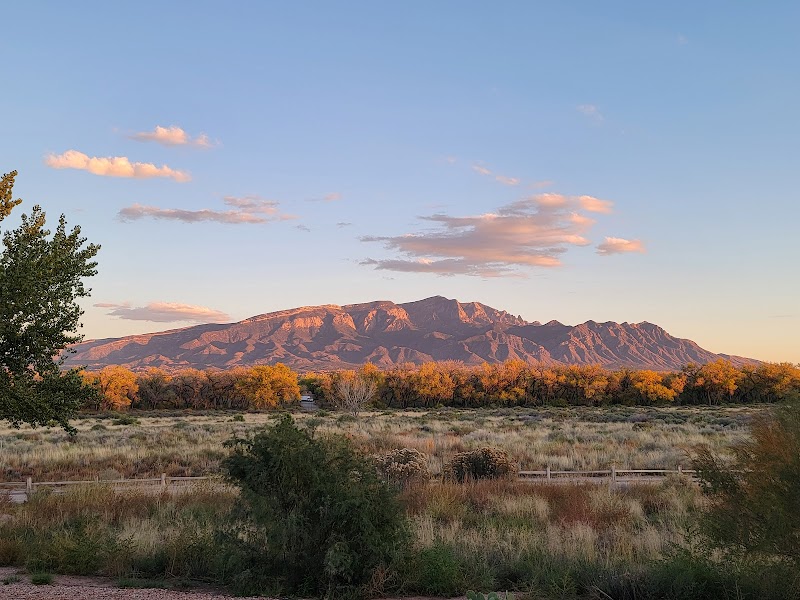
Wilderness Landscape & Natural Heritage
The North Western Fells are a distinctive group of hills located in the Lake District National Park, in Cumbria, England. Bordered roughly by the River Derwent to the west and the River Cocker to the east, these fells form a natural block of upland characterized by a mix of steep ridges, broad summits, and intimate valleys. Some of the most well-known peaks include Grasmoor, which is the highest in this area, along with Crag Hill and Causey Pike. The landscape was shaped by glacial activity during the last Ice Age, leaving behind craggy cliffs, corries, and small tarns (mountain lakes). The ecology features a range of upland habitats including heathlands, acidic grasslands, and upland bogs, supporting species such as red grouse, peregrine falcons, and red deer. Historically, the area was utilized for sheep farming, mining, and fell running, with traces of old mine workings still visible. Today, the North Western Fells are a favored destination for hiking and hillwalking, offering both challenging ascents and gentler routes suitable for day visitors. Popular hiking paths include the Coledale Round and routes to Grisedale Pike. The fells provide spectacular views of the central Lake District, including vistas of Bassenthwaite Lake and surrounding valleys. The region also holds interest for rock climbers at crags such as Raven Crag and for anglers in local streams and tarns. Visitor appeal is enhanced by the area's accessibility from nearby towns, such as Keswick and Cockermouth, which provide amenities and accommodations. The North Western Fells combine natural beauty, outdoor recreation opportunities, and a sense of remote wilderness within the broader Lake District National Park.


