Wilderness Landscape & Natural Heritage
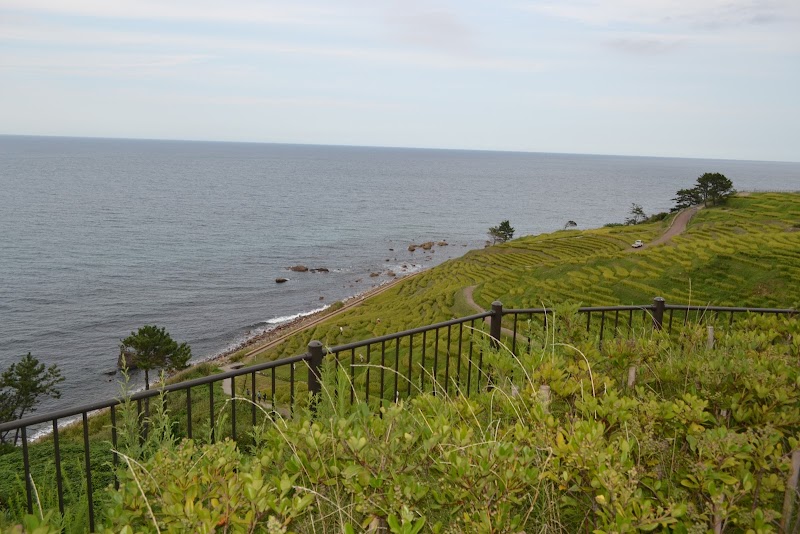
Noto Peninsula Quasi-National Park occupies much of the Noto Peninsula along the Sea of Japan coast in Ishikawa Prefecture, Japan. Established in 1968, this park protects an area of striking geological formations, coastal terraces, and expansive pine groves. The region is characterized by its rocky headlands, sandy beaches, rugged cliffs such as those formed by successive volcanic activity, and extensive rice terraces that illustrate the harmonious relationship between nature and human agriculture. The park also preserves traditional fishing villages and offers a window into the culture and lifestyle of the peninsula’s residents.
The park’s geography features dramatic seascapes along the western coastline with notable sites such as Chirihama Nagisa Driveway, one of the few beaches accessible by car. Inland, coastal pine forests and terraced farmlands provide scenic hiking routes. The area supports a diversity of marine and birdlife that attracts nature enthusiasts and birdwatchers. Visitors can enjoy activities including hiking along cliff trails like the Mitsukejima Rock area, fishing in coastal waters, and exploring cultural festivals in local towns.
Historical sites and local craftsmanship, particularly lacquerware from Wajima and salt production traditions, enrich the visitor experience. The secluded nature of many park areas allows for quiet reflection and immersion in changing seasonal displays, from cherry blossoms in spring to amber sunsets over the Sea of Japan. Accessibility is good via regional roads, and several visitor centers provide information about natural and cultural features. Overall, Noto Peninsula Quasi-National Park combines coastal ruggedness, cultural heritage, and natural beauty, making it a rewarding destination for outdoor enthusiasts and cultural travelers alike.