Wilderness Landscape & Natural Heritage
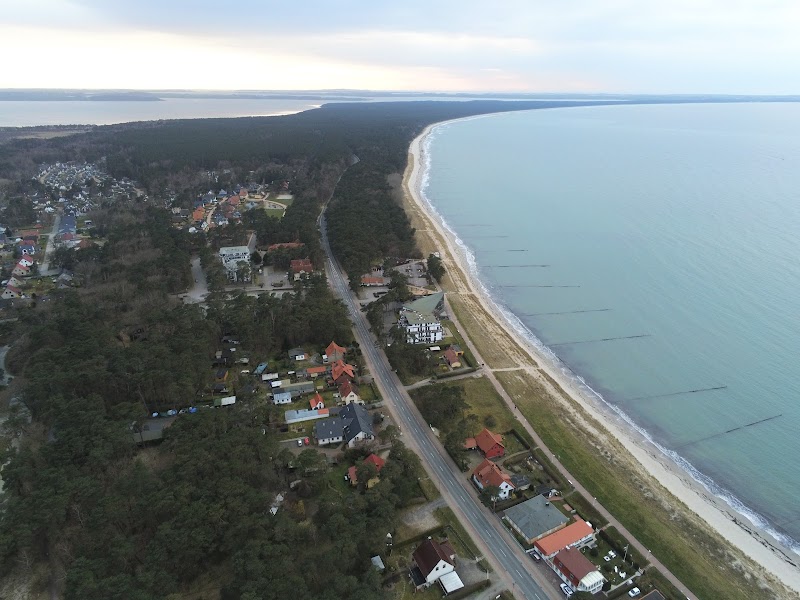
The Oderhaff Nature Reserve is located in northeastern Germany, along the southern shores of the Szczecin Lagoon (Oderhaff), bordering Poland. This reserve encompasses extensive coastal lagoons, reed beds, salt marshes, and shallow waters, providing vital habitats for numerous rare and migratory bird species. The geography is characterized by flat coastal plains with brackish waters influenced by the inflow of the Oder River into the Baltic Sea. The reserve serves as an important breeding ground for waterfowl, including grebes, cormorants, and various species of ducks and waders. Vegetation primarily consists of reed beds, sedges, and salt-tolerant plants adapted to the estuarine environment.
Historically, the area has been used for fishing and reed harvesting for centuries, with conservation efforts gaining momentum in the late 20th century to protect its fragile ecosystem. Today, the reserve is managed to balance ecological preservation with low-impact recreation. Key recreational activities include birdwatching from observation towers and hides, kayaking and canoeing through calm lagoon waters, and nature photography. Hiking trails wind along the coastal edges and through parts of surrounding forest patches. The reserve's peaceful setting and diverse wildlife attract naturalists and outdoor enthusiasts aiming for quiet exploration and wildlife encounters. Visitors can experience distinct seasonal changes with migratory birds arriving in spring and fall.
Notable landmarks within the reserve include several bird observation platforms strategically located for viewing roosting and nesting colonies. Access points often align with small towns along the lagoon's edge, offering visitor information and local cultural insights. The Oderhaff Nature Reserve appeals especially to those interested in wetland ecology, birdlife, and paddlesports in a serene environment removed from heavy tourism.