Wilderness Landscape & Natural Heritage
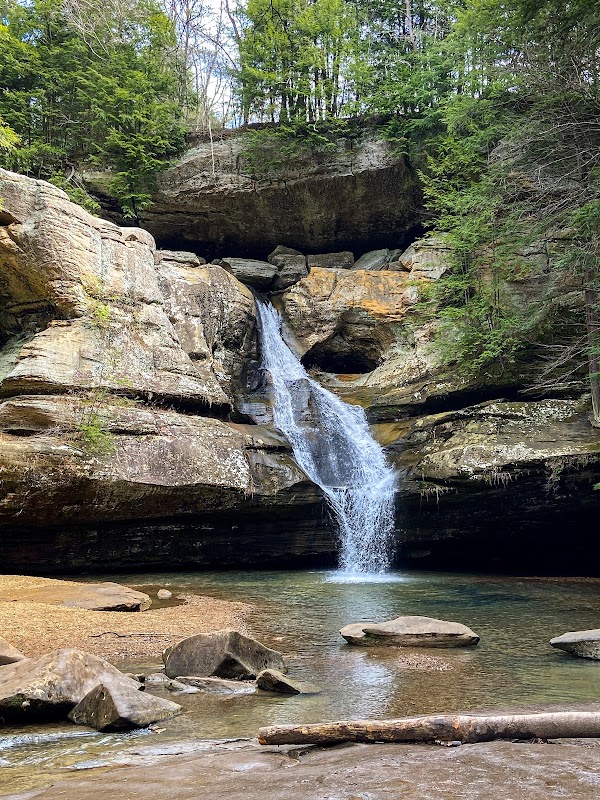
The Ohio River Watershed is a large and ecologically significant drainage basin covering approximately 204,000 square miles across eight states: Ohio, Indiana, Illinois, Kentucky, West Virginia, Pennsylvania, Virginia, and Maryland. Originating at the confluence of the Allegheny and Monongahela Rivers in Pittsburgh, Pennsylvania, the Ohio River flows roughly 981 miles southwest until it meets the Mississippi River at Cairo, Illinois. The watershed acts as a critical water source and habitat for numerous species of fish, mammals, and birds, including several that are sensitive or endangered. The region encompasses a variety of protected places, such as National Forests, National Wildlife Refuges, state parks, and designated Wild & Scenic Rivers, that preserve different landscapes including hardwood forests, wetlands, and floodplain ecosystems.
Recreation opportunities vary widely, from whitewater rafting on the river’s tributaries to hiking and mountain biking in forested areas like Wayne National Forest in Ohio and Hoosier National Forest in Indiana. Fishing is highly popular, with the river and its tributaries home to bass, catfish, and muskie. Birdwatchers can observe migratory waterfowl and raptors in many of the protected wetland areas. Historic sites along the Ohio River explore early American settlement and industrial heritage, including riverboat docks and lock-and-dam systems still in use today. Excellent access to roadways and visitor facilities make this watershed appealing to outdoor enthusiasts interested in scenic driving, paddling, and nature photography. With its extensive protected areas, the Ohio River Watershed remains a vital natural resource and recreational corridor in the eastern United States.