Wilderness Landscape & Natural Heritage
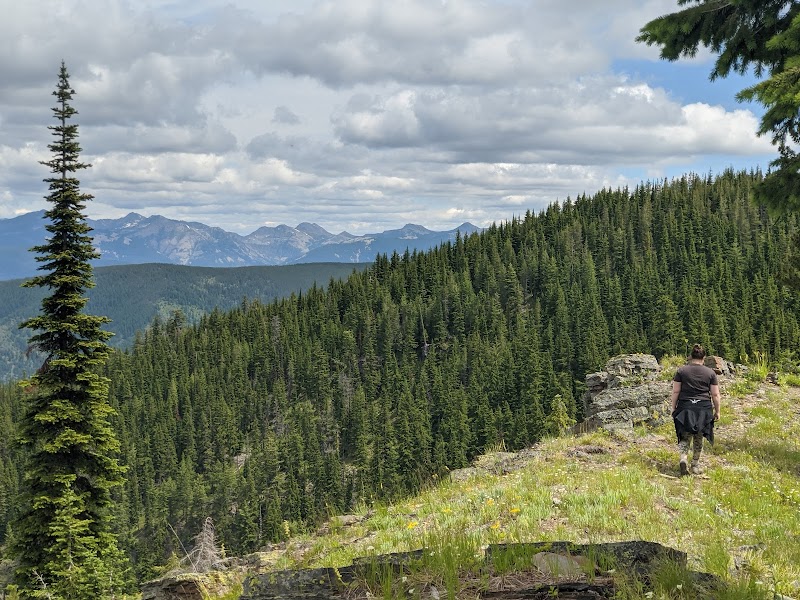
The Pacific Northwest National Scenic Trail (PNT) runs approximately 1,200 miles from the Continental Divide in Montana to the Pacific Ocean in Washington, passing through Montana, Idaho, and Washington. This trail honors the historical travel routes used by Native Americans and early settlers, showcasing some of the most varied terrain and ecosystems of the Pacific Northwest region. Segments near the Idaho panhandle and eastern Washington feature rugged mountain ranges, dense old-growth forests, alpine meadows, crystal-clear streams, and volcanic landscapes. The trail crosses notable public lands including Kootenai National Forest and Colville National Forest, along with designated wilderness areas such as Salmo-Priest and Pasayten Wilderness. These sections invite outdoor enthusiasts to experience solitude, diverse wildlife—including elk, black bears, mountain goats, and countless bird species—and sweeping vistas of snow-capped peaks and river valleys. Recreational opportunities encompass multi-day backpacking, day hikes, horseback riding, and trail running. Notable landmarks on nearby segments include Scotchman Peaks Wilderness with dramatic granite ridges, the Selkirk Mountains, and the rugged Pasayten Wilderness with its expansive alpine plateaus. The trail appeals to hikers seeking a remote backcountry experience distinct from more crowded routes. In addition to physical challenges presented by elevation changes and occasional route finding, the trail offers cultural insight through its proximity to Native American heritage sites and historic mining areas. Increased awareness of conservation efforts helps protect the trail corridor’s ecological integrity and preserves its natural beauty for future generations. Visitor services are limited along these remote segments, so preparation and knowledge of backcountry safety are essential.