Wilderness Landscape & Natural Heritage
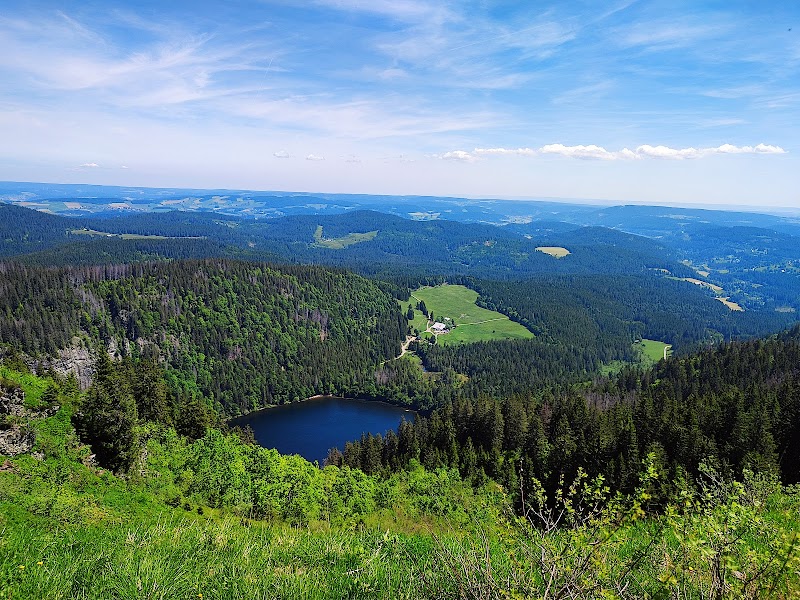
The Palatinate Forest Nature Park (Naturpark Pfälzerwald) is the largest contiguous forested area in Germany, located primarily in the Rhineland-Palatinate state along the border with France. Covering roughly 1,771 square kilometers (437,500 acres), the park is an integral part of the larger Palatinate Forest-North Vosges Biosphere Reserve, which extends cross-border into France’s Northern Vosges. The terrain is characterized by dense mixed forests dominated by oak, pine, and beech, interspersed with unique sandstone rock formations, deep valleys, and tranquil streams. This richly diverse ecosystem supports many rare and protected species, including peregrine falcons, lynx, and rare orchids.
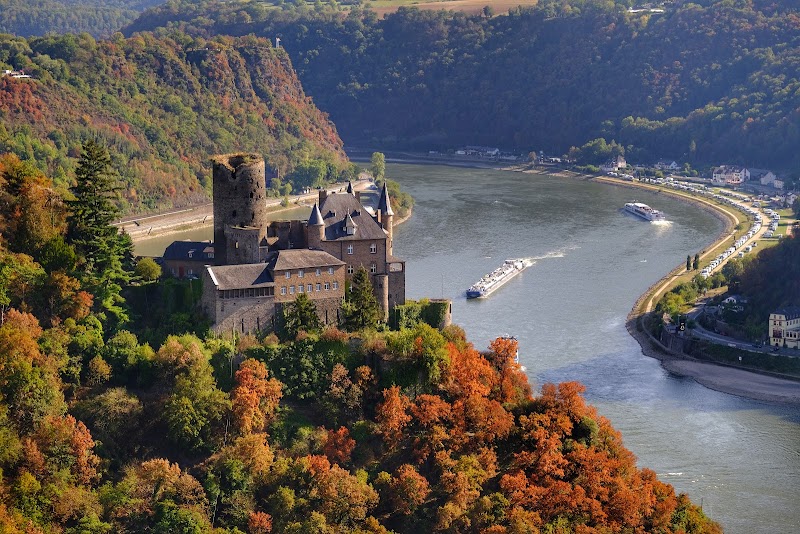
Historically, the forest has been managed for centuries, with remnants of medieval castles and ancient stone structures dotting the landscape, including the popular Hambach Castle and numerous ruins. Visitors enjoy over 12,000 kilometers of marked hiking and biking trails winding through a mosaic of forest, meadows, cliffs, and vineyards. Rock climbing is especially popular on the park’s sandstone towers, attracting climbers of varying skill levels. In addition, the park offers opportunities for wildlife watching, seasonal mushroom foraging, and cultural events centered on traditional crafts and local gastronomy.
The Palatinate Forest is particularly renowned for the scenic French-German border hiking trail and the iconic Dahner Felsenland area, with its impressive rock pinnacles and lookout points. The Nature Park appeals to families, outdoor adventurers, and those seeking peaceful natural beauty. Its extensive network of well-maintained trails, combined with numerous small villages and quaint guesthouses near the park edges, make it accessible year-round. The mild climate allows for hiking from early spring through late autumn and occasional winter snow sports.