Wilderness Landscape & Natural Heritage
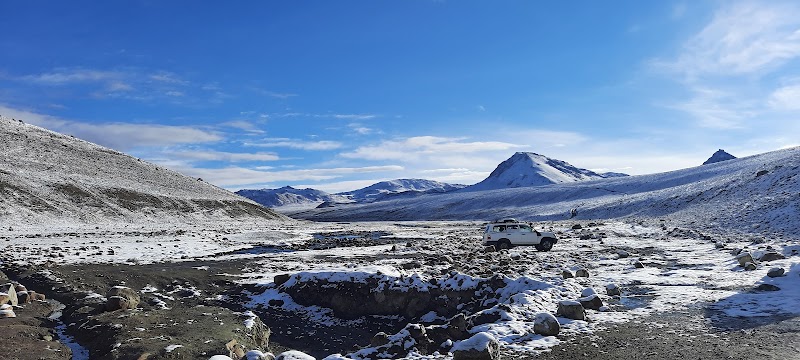
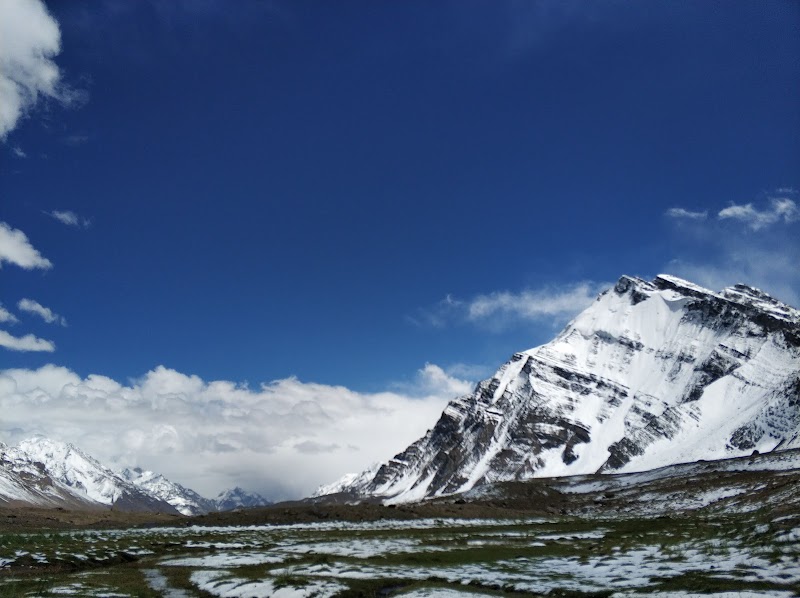
Established in 1992, Pamirs National Park spans over three million acres of rugged mountainous terrain in southeastern Tajikistan's Gorno-Badakhshan Autonomous Region. This protected area encompasses vast portions of the Pamir Mountains, often called the "Roof of the World," featuring towering peaks exceeding 7,000 meters, extensive glaciers, alpine meadows, and deep river valleys. The park's geography is dominated by some of Central Asia's most spectacular mountains, including proximity to Kongur Tagh and Muztagh Ata across the border, with expansive views of snow-capped summits and high-altitude plateaus.
Ecologically, the park hosts a unique assemblage of flora and fauna adapted to extreme conditions. Endangered species like the snow leopard, Marco Polo sheep (argali), ibex, and Himalayan brown bear roam the park, coexisting with rare high-altitude plants and wildflowers. Birdwatchers find species such as the Himalayan snowcock and golden eagle within these remote landscapes. The park also preserves vital water resources, as it lies at the headwaters of significant Central Asian rivers.
Historically, the Pamirs represent a crossroads of Silk Road caravans and diverse cultures, home to Pamiri communities with rich traditions and unique languages. The park offers opportunities to interact with local villages, explore ancient forts, and experience traditional mountain life.
For outdoor enthusiasts, Pamirs National Park is a premier destination for multi-day trekking, mountaineering, and horseback riding across challenging terrain. Key landmarks include the stunning alpine lakes such as Yashilkul, Karakul Lake, and the dramatic Wakhan Corridor landscape to the south. Visitors are drawn by the sense of wilderness, isolation, and pristine natural beauty that the park guarantees, alongside vibrant cultural encounters. The park remains largely undeveloped, requiring careful planning and respect for fragile ecosystems.