Wilderness Landscape & Natural Heritage
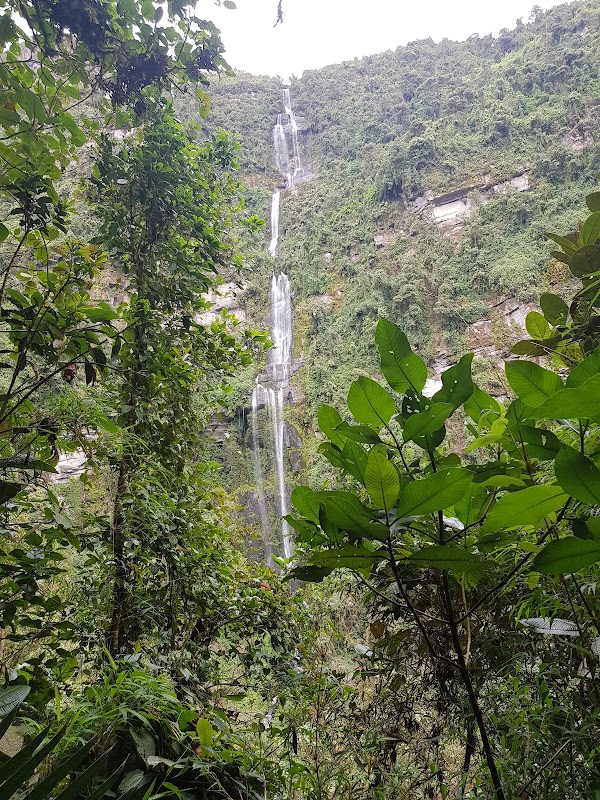
Páramo de Pisba National Park, located in the eastern Andes of Colombia spanning the departments of Boyacá and Casanare, is one of the country's largest and most biologically diverse protected high-altitude areas. Established in 1977, the park encompasses vast expanses of páramo—a unique neotropical alpine tundra ecosystem found only in the northern Andes. The park’s geography includes rugged mountain ranges, glacial valleys, numerous wetlands, and high-altitude lakes, all rising between approximately 3,000 and 3,800 meters (9,800 to 12,500 feet) above sea level. The cool, humid climate supports a remarkable variety of flora and fauna, including endemic plants like frailejones (Espeletia spp.), as well as wildlife such as the Andean bear, mountain tapir, spectacled bear, condors, and diverse amphibians and birds. The park holds archaeological significance as the ancestral territory of indigenous Muisca peoples, whose cultural heritage is reflected in local legends and archaeological sites. Visitors to Páramo de Pisba National Park are drawn primarily for trekking and nature exploration, with trails leading through mist-covered paramo landscapes, wetlands, and viewpoints overlooking valleys and cloud forests below. The park is ideal for experienced hikers who seek remote wilderness experiences and birdwatchers hoping to spot rare Andean species. Due to its high altitude and fragile ecosystem, visitors should prepare for variable weather conditions and exercise environmental responsibility when traversing this pristine environment.