Wilderness Landscape & Natural Heritage
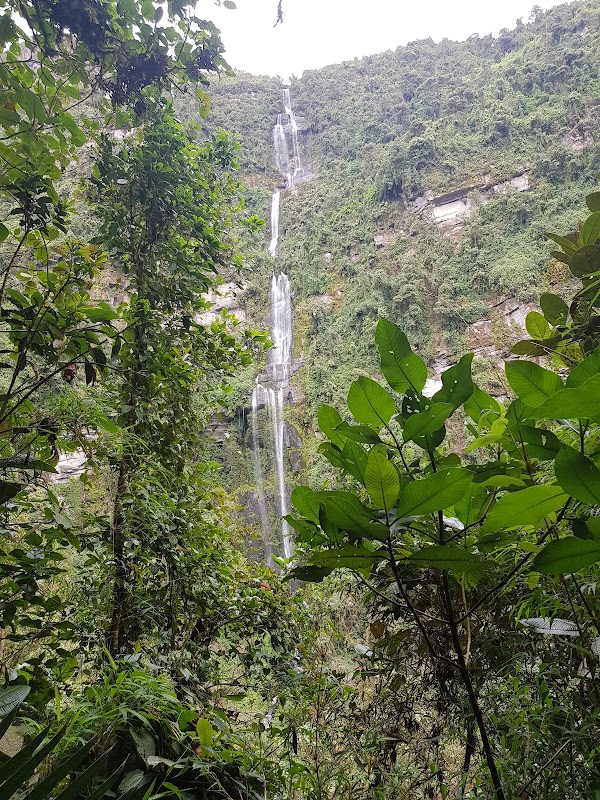
The Páramo de Santurbán stretches across the departments of Santander and Norte de Santander in northeastern Colombia, encompassing over 90,000 hectares of fragile high-altitude ecosystems typically found between 3,000 and 4,200 meters above sea level. Characterized by its distinctive páramo vegetation—featuring frailejones (Espeletia spp.), various grasses, mosses, and shrubs—this region serves as a critical watershed supplying freshwater to millions downstream, feeding key rivers like the Zulia and Suratá. The páramo ecosystem functions not only as one of the world's most important sources of water but also as a carbon sink, contributing to climate regulation. Historically, indigenous groups such as the U’wa have inhabited the lowlands and foothills of Santurbán and deeply respect this land for its cultural and spiritual significance. The area is increasingly recognized for its ecological importance, yet it faces threats from mining interests and land-use changes. Visitors to the Santurbán páramo can explore several well-maintained trails that weave past stunning high-mountain lakes, dramatic moorland vistas, and endemic flora and fauna, including spectacled bears and endangered Andean condors. Hiking and wildlife watching dominate leisure activities, with some localized camping permitted under environmental guidelines. Páramo de Santurbán captivates outdoor enthusiasts and conservationists alike with its pristine, otherworldly landscapes and vital ecological role in sustaining the region’s water supply. Sustainable tourism initiatives are gradually developing to balance visitor access with ecosystem protection.