Wilderness Landscape & Natural Heritage
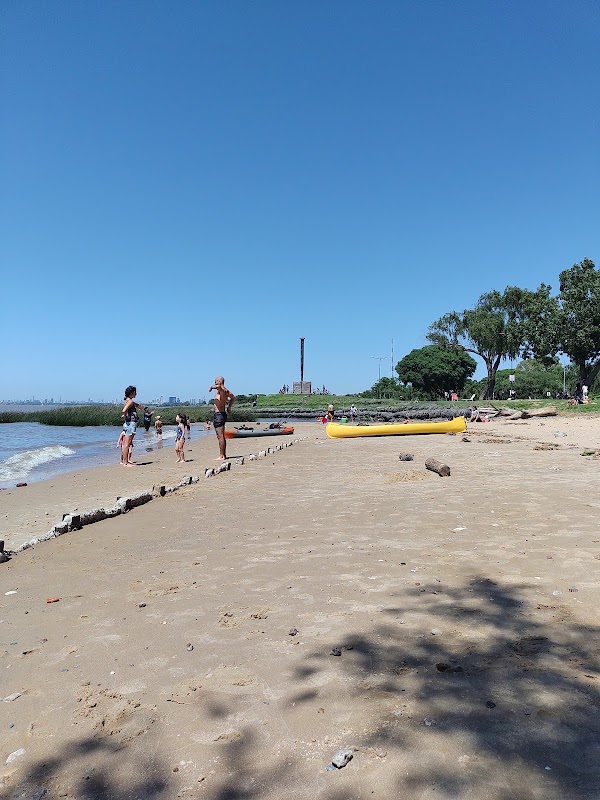
Paraná Delta National Park, established in 2019, encompasses a large portion of the Paraná River delta located in northeastern Argentina, spanning parts of Buenos Aires and Entre Ríos provinces. This protected area conserves a complex labyrinth of over 3,000 islands surrounded by slow-moving waterways, wetlands, marshes, and lush riparian forests. The delta is formed by sediment deposits from the Paraná River as it flows toward the Río de la Plata estuary, creating fertile habitats that support a diverse array of plant and animal species including capybaras, marsh deer, various waterfowl, and rare fish species. The park plays a vital role in preserving this dynamic ecosystem and provides a refuge for migratory birds and endangered species. Visitors can enjoy a multitude of outdoor recreation activities such as canoeing, kayaking, birdwatching, fishing, and guided ecological tours. The park is characterized by water trails rather than extensive hiking paths, offering a truly immersive experience navigating the channels and observing the vibrant biodiversity. Key landmarks include the expansive wetlands and the rich birdlife hotspots, which are popular for wildlife enthusiasts and photographers. Access to the park typically involves boat trips from nearby towns, offering a unique gateway to a tranquil and largely untouched natural environment. The park’s establishment represents a significant step in conserving Argentina’s valuable deltaic systems against urban expansion and industrial pressures, making it an essential destination for nature lovers and eco-tourists alike.