Wilderness Landscape & Natural Heritage
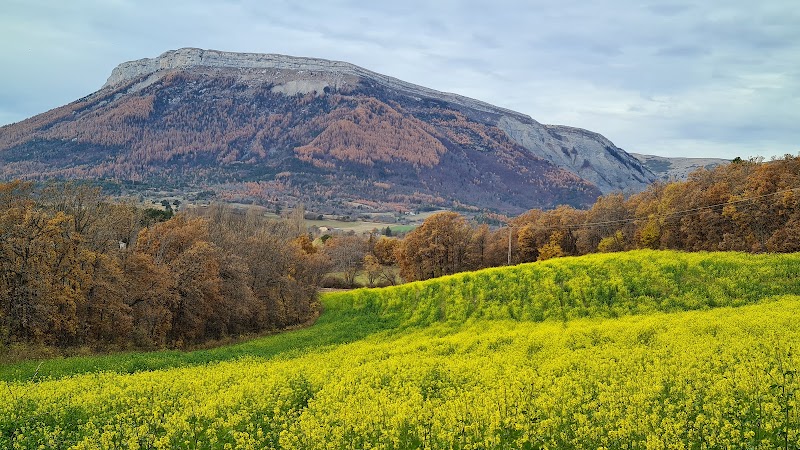
Established in 1970, Parc National des Cévennes covers part of the Cévennes mountain range in the Massif Central of southern France. It stretches over a region characterized by steep granite peaks, deep valleys, chestnut forests, and Mediterranean maquis. The park is notable for its unique ecological diversity, which includes endemic plant species and habitats supporting wildlife such as mouflon, roe deer, and the rare Bonelli’s eagle. Historically, the area holds significant cultural importance as a center of Protestant resistance during the 18th-century Camisard revolt and features traditional chestnut cultivation practiced for centuries. Visitors to the park can explore an extensive network of hiking trails including segments of the famous GR70 (Robert Louis Stevenson Trail), offering varied terrain from forest paths to panoramic ridgelines. Key landmarks include the Mont Lozère, the highest peak at 1,699 meters, and the picturesque village of Florac, which serves as the park’s visitor hub. The Cévennes also offers opportunities for mountain biking, horseback riding, fishing, and river activities. The park balances natural preservation with sustainable human activity, maintaining traditional pastoralism and small-scale agriculture within its boundaries. Various visitor centers provide interpretive exhibits on the area’s natural and cultural heritage, enhancing understanding and appreciation of this protected region.