Wilderness Landscape & Natural Heritage
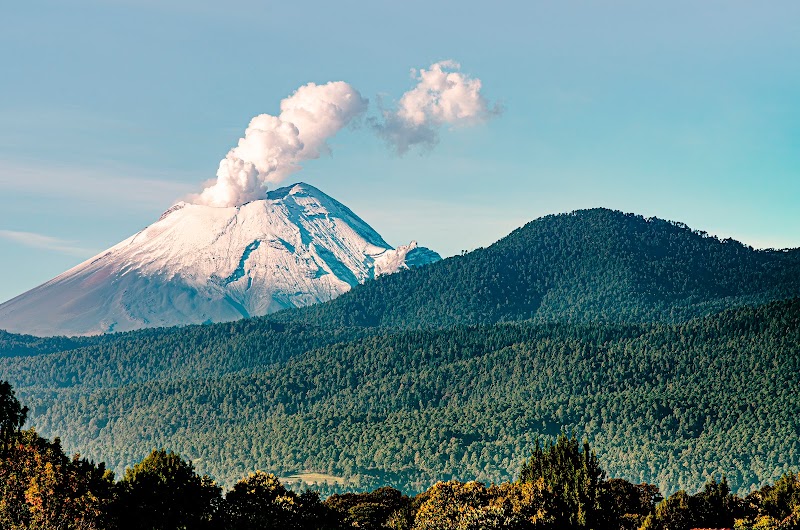
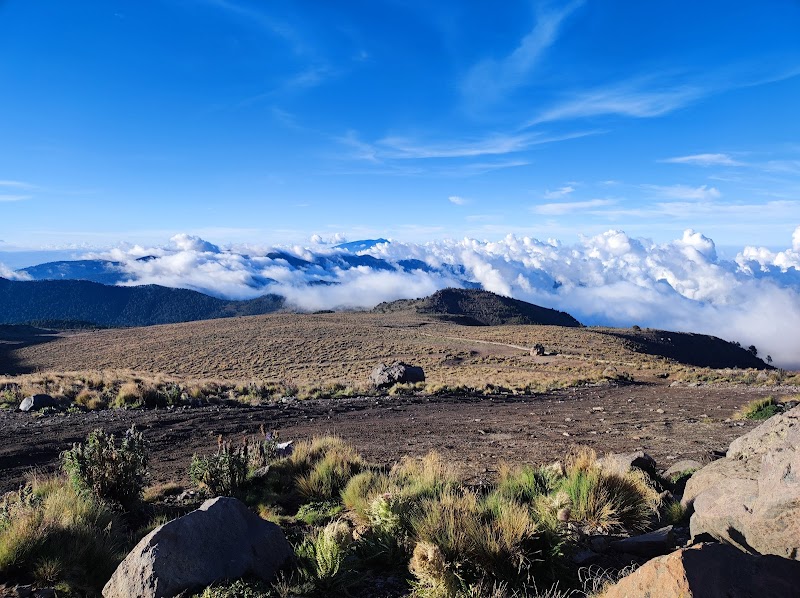
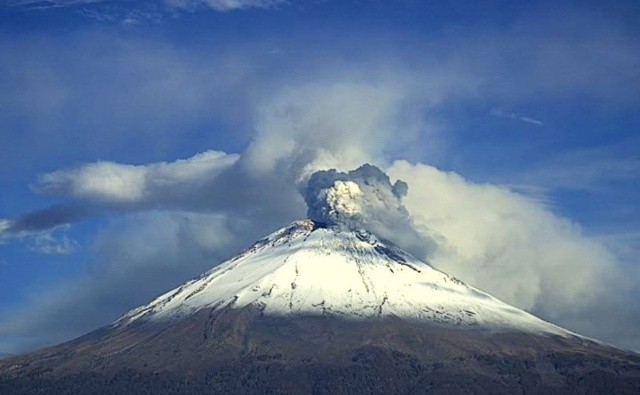
Established in 1935, Parque Nacional Izta-Popo Zoquiapan protects a significant portion of the volcanic highlands located between the states of Mexico and Puebla, centered around the iconic volcanoes Izta (Iztaccíhuatl) and Popo (Popocatépetl). The park encompasses diverse ecosystems ranging from dense pine and fir forests to alpine meadows and rugged volcanic formations. It is distinguished by its two prominent volcano peaks: Iztaccíhuatl, known as the 'Sleeping Woman' due to its profile resembling a reclining woman, and Popocatépetl, an active stratovolcano and one of Mexico’s most famous geological landmarks, often seen emitting smoke and ash. The park serves as a crucial habitat for many endemic and migratory species, including Mexican pine squirrels, various raptors, and rare orchids. Recreation in the park mainly revolves around hiking and mountaineering, with several trails leading from lower altitude forested zones to the high alpine areas near the summits, catering to various skill levels. Visitors enjoy panoramic views of surrounding valleys, indigenous cultural elements, and access to pristine natural springs and ancient ruins scattered through the landscape. Due to the active status of Popocatépetl, climbing is restricted on this volcano while Iztaccíhuatl remains a popular mountaineering destination. The park's combination of natural beauty, cultural significance, and outdoor activity options makes it a captivating destination for adventurers and nature lovers alike.