Wilderness Landscape & Natural Heritage
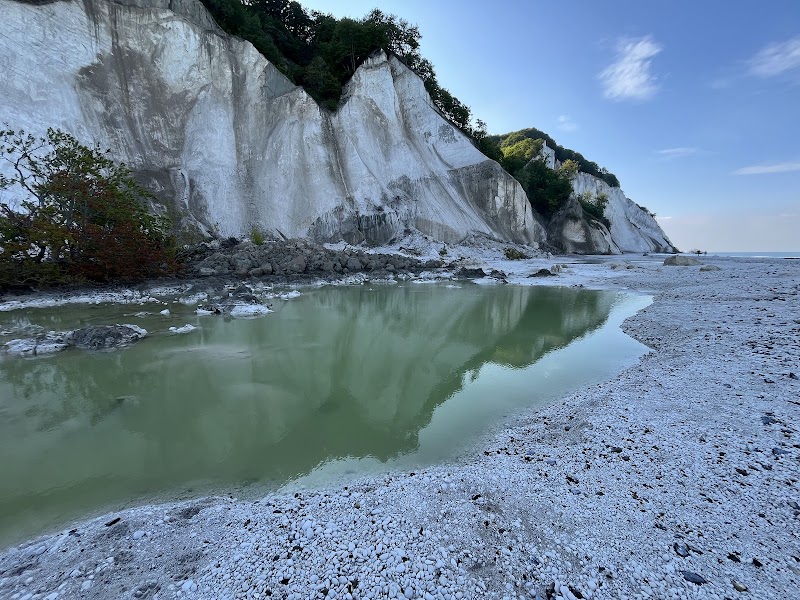
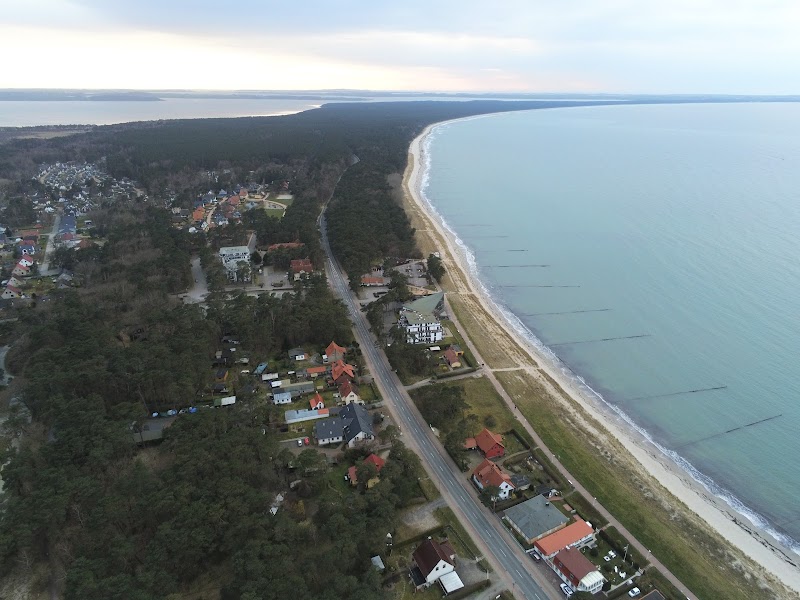
Peenemünde Nature Park spans a diverse coastal region on the northwestern part of the island of Usedom in Mecklenburg-Vorpommern, Germany. It features a mix of sandy beaches, lagoons, dunes, and forested areas alongside the Baltic Sea, creating important habitats for numerous bird species and coastal flora. The park is historically significant as the location of the Peenemünde Army Research Center, where the first V-2 rockets were developed during World War II. This gives visitors a unique opportunity to explore both natural and historical landscapes. The park offers numerous walking and cycling paths, birdwatching sites, and beach access points. Visitors can explore the Peenemünde Historical Technical Museum to learn about the area's contributions to rocket technology. The shifting coastal environment and protected wetlands make it an essential refuge for migratory birds, especially waterfowl and waders. Peenemünde Nature Park also serves as a quiet retreat for nature lovers seeking scenic views, marine experiences, and cultural history. Seasonal events and guided tours enhance the visitor experience, focusing on both natural and wartime heritage themes. Accessibility is generally good with nearby towns providing transportation hubs, accommodations, and visitor services. Outdoor enthusiasts can enjoy activities such as hiking, cycling, fishing, and boating, with well-maintained facilities supporting sustainable tourism and conservation efforts.