Wilderness Landscape & Natural Heritage
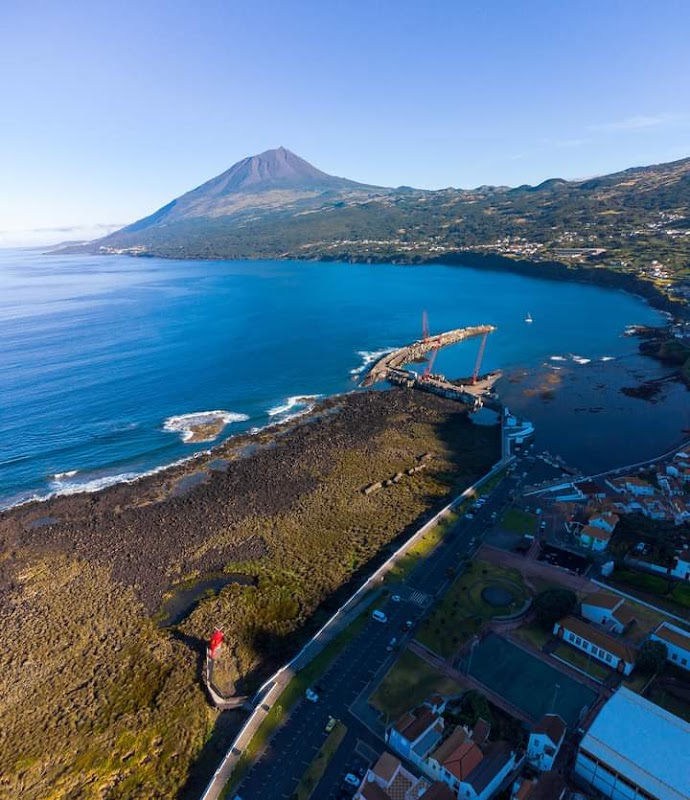
Pico Island Natural Park, located on Pico Island in the Azores archipelago of Portugal, protects one of the most remarkable volcanic landscapes in the Atlantic Ocean. Dominated by Mount Pico, which at 2,351 meters is the highest mountain in Portugal and the third highest volcanic peak in the Atlantic, the park encompasses a diverse range of geological and ecological features. The park’s terrain includes lava fields, volcanic cones, crater lakes, and dense laurel forests known as Laurisilva, a rare subtropical rainforest ecosystem. The park’s rich biodiversity is home to endemic plants, migratory birds, and marine life along its coastal areas. Pico Island's natural and cultural landscape has been shaped by its volcanic origins and traditional uses such as viticulture, with UNESCO-designated vineyards featuring stone walls that harness the volcanic soil.
Key recreational opportunities in the park include hiking and climbing Mount Pico via the well-maintained and challenging trails that ascend through varying ecological zones offering spectacular views over the island and surrounding ocean. Other popular activities include whale watching tours departing nearby, as the Azores is a prominent habitat for cetaceans. Visitors can explore the volcanic caves, lava tubes, and the traditional villages dotted around the park. The park forms part of Azores Geopark, emphasizing geoconservation and sustainable tourism. Its remote location provides a pristine setting for nature lovers, photographers, and outdoor adventurers seeking a unique island wilderness experience.