Wilderness Landscape & Natural Heritage
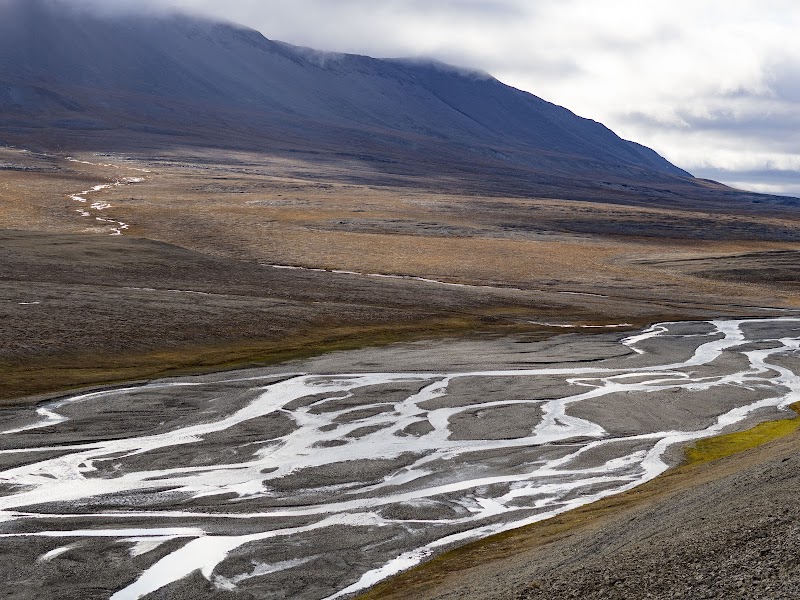
Located in the remote Siberian tundra of the Sakha Republic (Yakutia) in Russia, Pleistocene Park is an ambitious ecological and scientific project initiated by Sergey Zimov in the late 1980s. Spanning thousands of hectares of permafrost terrain near the Kolyma River basin, the park seeks to recreate the mammoth steppe ecosystem that dominated the region during the Pleistocene epoch approximately 10,000 years ago. This experiment involves reintroducing and managing large herbivores such as bison, horses, musk oxen, and reindeer, with the goal of restoring the grassland-steppe biome and halting permafrost thaw by promoting a more reflective, grassy landscape. Through the grazing and trampling behaviors of these animals, the park hopes to mitigate climate change by preserving frozen soils and sequestering carbon.
Visitors to Pleistocene Park experience a remote wilderness setting unlike typical protected areas; it is primarily a research base, but adventurous travelers can observe herds of unique megafauna roaming an ecosystem shaped to resemble the Ice Age. Winter and summer expeditions offer opportunities for wildlife viewing, photography, and observing ecological restoration in action. While no formal trails or developed campgrounds exist due to the park’s experimental nature and harsh conditions, guided tours and scientific visits provide windows into ongoing conservation research. Pleistocene Park serves as a living laboratory demonstrating how rewilding megafauna can influence climate and ecosystems on a global scale, making it a landmark project in ecological innovation and planetary stewardship.