Wilderness Landscape & Natural Heritage
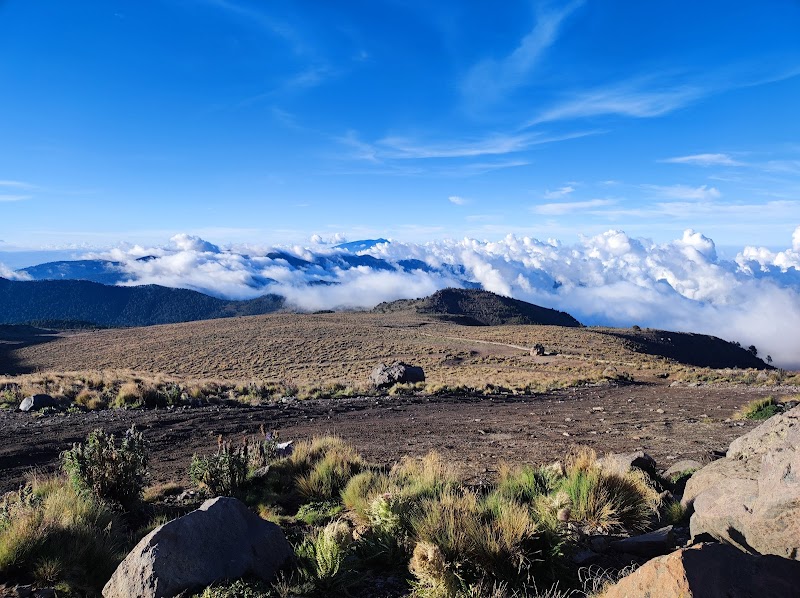
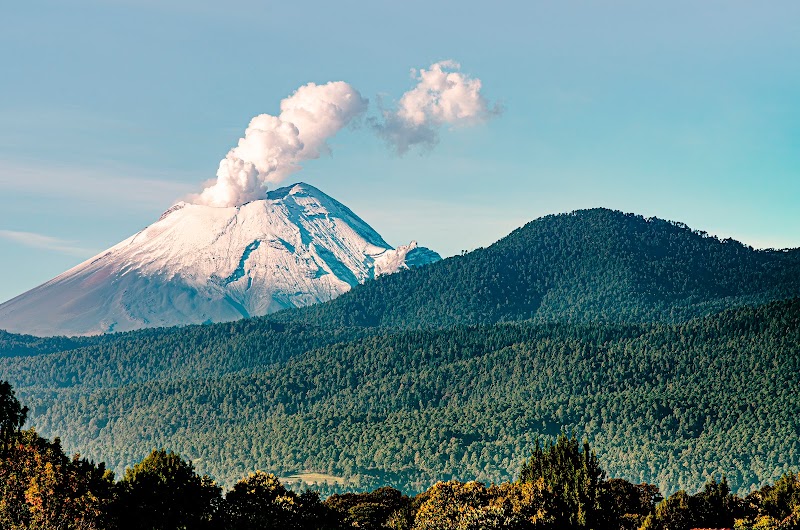
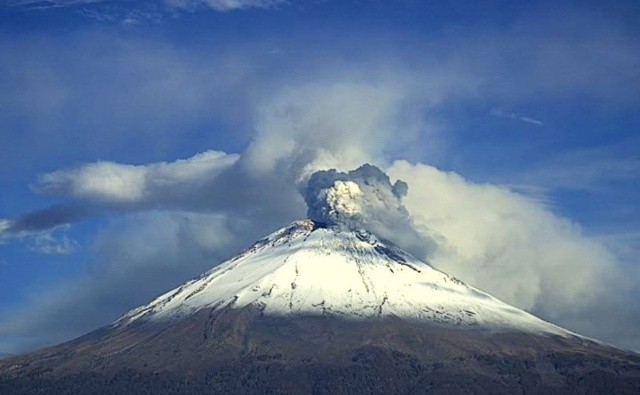
Established in 1937, Popocatépetl National Park encompasses the rugged terrain surrounding Popocatépetl Volcano, which at 5,426 meters (17,802 feet) is Mexico's second highest peak and one of North America's most active volcanoes. The park spans across the states of Mexico City, Puebla, and Morelos, covering diverse ecosystems that range from pine and fir forests at lower elevations to alpine tundra near the summit. The name 'Popocatépetl' comes from the Nahuatl language, meaning "Smoking Mountain," a fitting title given its frequent eruptions and active crater. Visitors to the park can experience spectacular views of the volcano and its neighboring dormant volcano Iztaccíhuatl, dense forests home to endemic species like the Mexican pine snake, and winter snowfields that transform the landscape. Although summit ascents are prohibited for safety reasons due to volcanic activity, numerous trails around the base and lower slopes provide opportunities for hiking, birdwatching, photography, and camping. The park also holds cultural significance, deeply rooted in Aztec mythology as well as modern Mexican heritage. Despite volcanic hazards, Popocatépetl National Park remains a captivating destination for outdoor enthusiasts drawn to its dramatic terrain, rich biodiversity, and vibrant volcano activity. Ranger-led programs and visitor centers provide safety updates and ecological education, ensuring visitors can responsibly explore this unique and dynamic protected area.