Wilderness Landscape & Natural Heritage
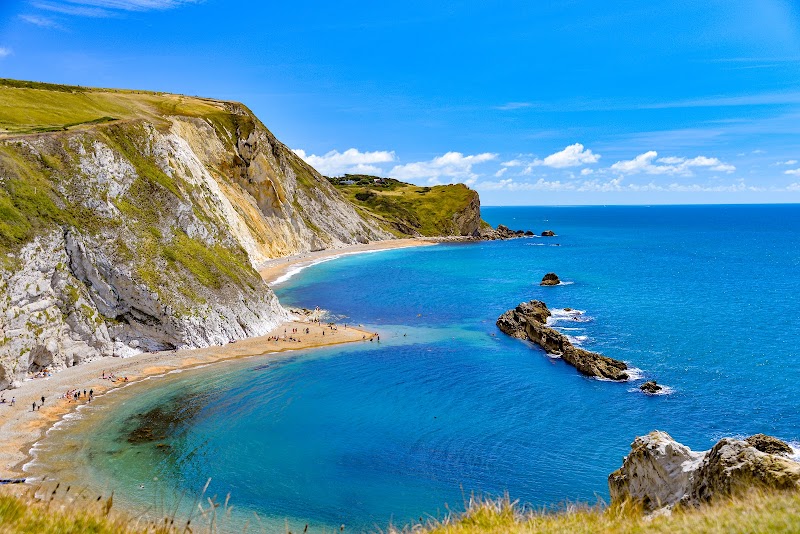
Located on the Isle of Portland in Dorset, England, the Portland Quarry and Admiralty Cliffs SSSI is a protected area renowned for its exceptional geological features and striking coastal scenery. The site covers a stretch of limestone cliffs and quarry faces that reveal important Jurassic stratigraphy dating back around 145 million years. These cliffs are famous for their well-preserved fossils and sedimentary structures that provide valuable insights into the region’s ancient marine environments. The rugged coastline features layers of Portland stone, historically quarried and famed for its use in prominent British architecture.
Ecologically, the area supports a variety of coastal flora, including specialized cliffside plants adapted to the saline and wind-exposed environment. The sea cliffs also offer habitat for nesting seabirds such as gulls and fulmars. The landscape reflects a mix of natural erosion and the scars left by historical quarrying operations, which today serve as outdoor classrooms for geology and natural history studies.
Visitors to the site can enjoy walking along the coastal paths that trace the edge of the cliffs, providing panoramic views over the English Channel and access to adjacent beach areas. The continual exposure of rock faces creates opportunities for geology enthusiasts to study rock formations and discover fossils with appropriate permission. The site lies within the Dorset Area of Outstanding Natural Beauty, making it a valued location for photography, nature observation, and quiet exploration.
Access is primarily via footpaths connecting nearby Portland villages, with parking available at local car parks. While there are no formal camping sites within the SSSI boundaries, the wider Isle of Portland area offers accommodations and visitor services. Safety precautions are essential when walking near cliff edges due to steep drops and unstable rock sections. This SSSI highlights the geological heritage of southern England and contributes to the conservation of the region’s unique natural environment.