Wilderness Landscape & Natural Heritage
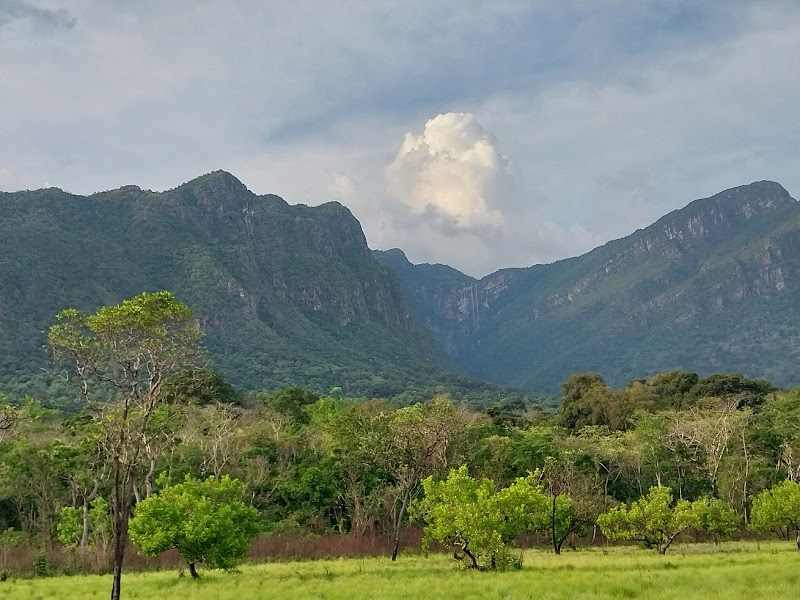
The Puinawai Indigenous Reserve covers approximately 7.7 million acres (about 3.1 million hectares) within the Amazon rainforest region of Guainía Department in southeastern Colombia. Established officially in the early 1980s, the reserve is home to several indigenous groups, including the Puinawai, Guahibo, and others, who have stewarded the land for centuries. The reserve’s geography is characterized by dense tropical rainforest, numerous rivers, wetlands, and a mosaic of flora and fauna, making it one of the most biodiverse areas in the Amazon basin. Its ecosystems sustain populations of jaguars, tapirs, giant river otters, various primates, and a myriad of bird species. The Puinawai Indigenous Reserve is chiefly managed by the indigenous communities themselves with support from Colombian environmental authorities, emphasizing traditional land-use practices, cultural preservation, and biodiversity conservation. Due to its remote location, access to the reserve is limited and requires coordination with local indigenous organizations, preserving both the natural habitat and cultural integrity. Recreational activities are minimal but focus on guided ecotourism ventures such as wildlife viewing, river excursions, and cultural exchange with indigenous peoples knowledgeable about medicinal plants and sustainable harvesting techniques. The reserve lacks developed visitor facilities, creating an authentic wilderness experience best suited for experienced travelers with specialized logistics. Notable landmarks include the surrounding river systems that feed into the Orinoco basin, biodiverse floodplain forests, and sacred indigenous sites protected within the territory. The Puinawai Indigenous Reserve plays a critical role in global conservation efforts and indigenous rights, representing a vital link between cultural resilience and environmental stewardship in the Amazon.