Wilderness Landscape & Natural Heritage
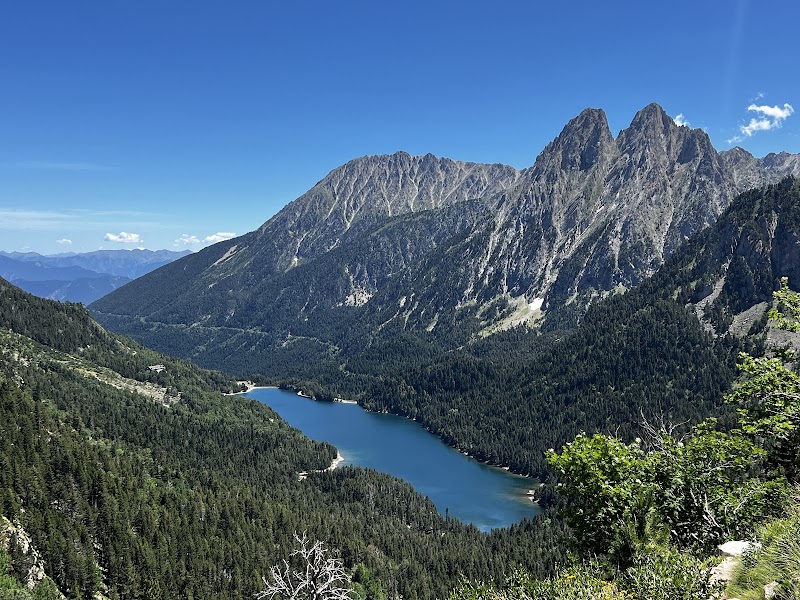
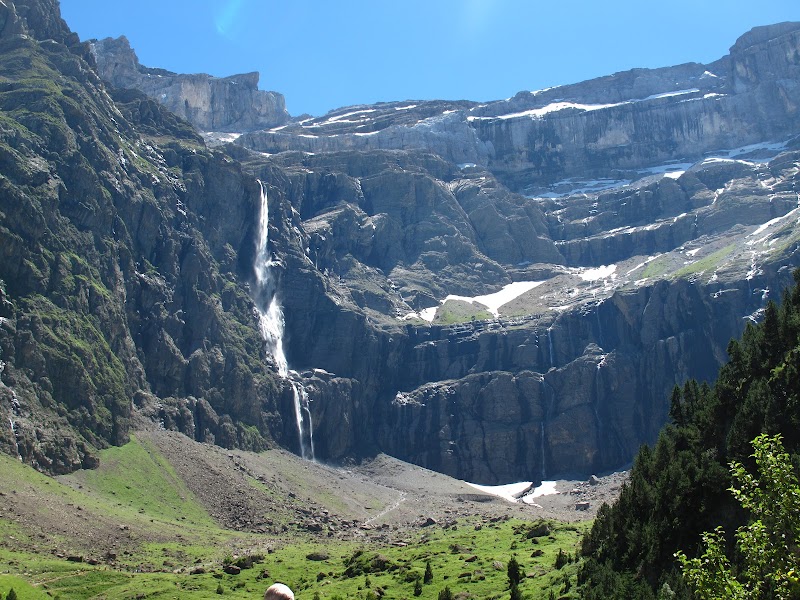
Established in 1967, Pyrenees National Park encompasses an extensive range of mountainous terrain along the French side of the Pyrenees mountain range. The park extends over approximately 458 square kilometers and includes dramatic peaks, deep valleys, alpine lakes, and vast forested areas. The park's geography is dominated by rugged landscapes with elevations reaching above 3,000 meters, including iconic summits such as Vignemale, the highest peak in the French Pyrenees. The park protects several unique ecosystems, from subalpine meadows and coniferous forests to limestone karst formations, supporting diverse wildlife including the Pyrenean chamois (isard), brown bears, and golden eagles. Historically, the region has been shaped by pastoral farming and traditional mountain communities, with small villages found near park boundaries. Visitors to Pyrenees National Park can enjoy a wide variety of outdoor activities such as hiking on well-maintained trails like the GR10 long-distance path, wildlife watching, fishing in pristine mountain streams, and winter snow sports including cross-country skiing and snowshoeing. A highlight of the park is its network of mountain refuges, enabling multi-day treks in remote settings. The area is also known for its notable landmarks, such as the Cirque de Gavarnie, a UNESCO World Heritage site featuring a massive natural amphitheater and spectacular waterfalls. The park provides an immersive natural experience with opportunities for solitude, physical challenge, and observation of endemic flora and fauna.