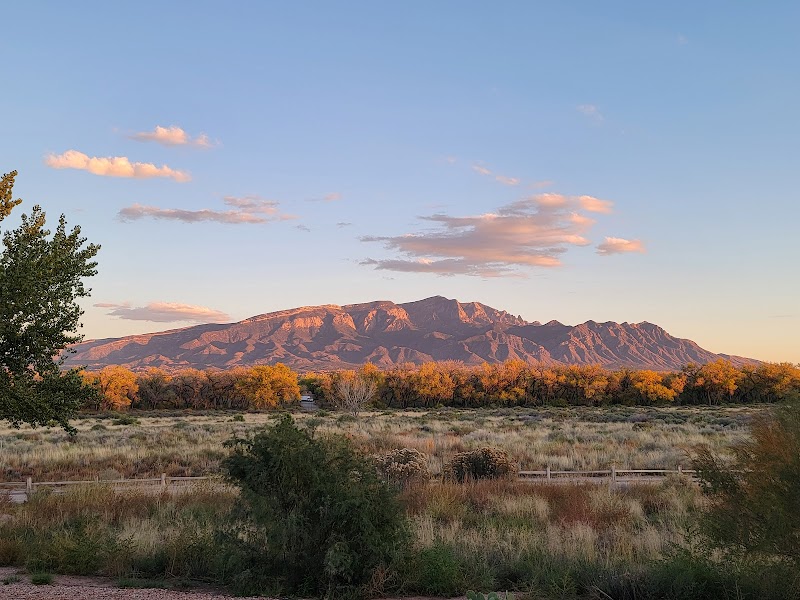
Wilderness Landscape & Natural Heritage
Quabbin Reservation spans over 40,000 acres in central Massachusetts and serves primarily as a protected watershed for the Quabbin Reservoir, one of the largest man-made public water supplies in the United States. The area consists of forested hills, wetlands, meadows, and the enormous Quabbin Reservoir, which stores drinking water for about 2.5 million people, including Boston. Established in the late 1930s when four towns were disincorporated to create the reservoir, the reservation has since evolved into a key habitat for diverse wildlife species including moose, bald eagles, black bears, and migratory birds. The land is managed by the Massachusetts Department of Conservation and Recreation (DCR) with an emphasis on protecting water quality and supporting ecosystem health. Outdoor recreation here is typically low-impact and includes hiking, fishing, bird and wildlife watching, and limited paddling along tributary streams and shorelines. There are no developed campgrounds or boat launches within the reservation to protect its primary water supply function. Notable landmarks include historic stone bridges and remnants of old town settlements that were flooded or relocated during reservoir construction. With a peaceful, remote atmosphere and a mosaic of well-maintained forestry roads and trails, Quabbin Reservation appeals to nature enthusiasts, photographers, and anglers seeking a tranquil, natural escape within an accessible distance of urban centers. Visitors should respect the protected status by adhering to rules that emphasize water conservation and habitat protection.


