Wilderness Landscape & Natural Heritage
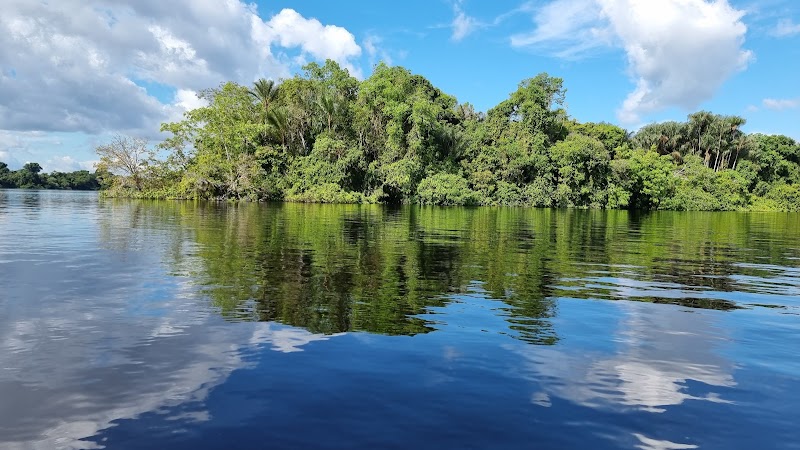
Reserva de Desenvolvimento Sustentável Amanã, established in 1998, spans over 2 million hectares of the central Amazon basin across the states of Amazonas and Pará, Brazil. The reserve is strategically located between the Solimões and Japurá rivers and is part of the UNESCO Central Amazon Conservation Complex. It protects rich tropical rainforest ecosystems teeming with diverse wildlife, including endangered species such as the Amazonian manatee, giant river otters, and numerous bird and fish species. The area features a complex network of rivers, lakes, and flooded forests (várzea), making water-based travel and recreation essential components of visits here. Indigenous peoples and traditional riverine communities inhabit the reserve, whose livelihoods are sustained through sustainable resource use and conservation practices sanctioned by the reserve’s management model. Visitors drawn to Amanã may explore canoe trips through flooded forests, birdwatching expeditions, fishing, and guided cultural encounters, gaining insight into the harmonious relationship between conservation and human activity in the Amazon. The reserve’s remoteness requires careful logistical planning, but it rewards explorers with pristine wilderness, abundant wildlife sightings, and a rare chance to experience one of the most ecologically important and least disturbed portions of the Amazon rainforest. Sustainable tourism initiatives and research programs are increasingly active in the region, making it a significant site for ecological studies, conservation efforts, and the promotion of Amazonian socio-environmental sustainability.