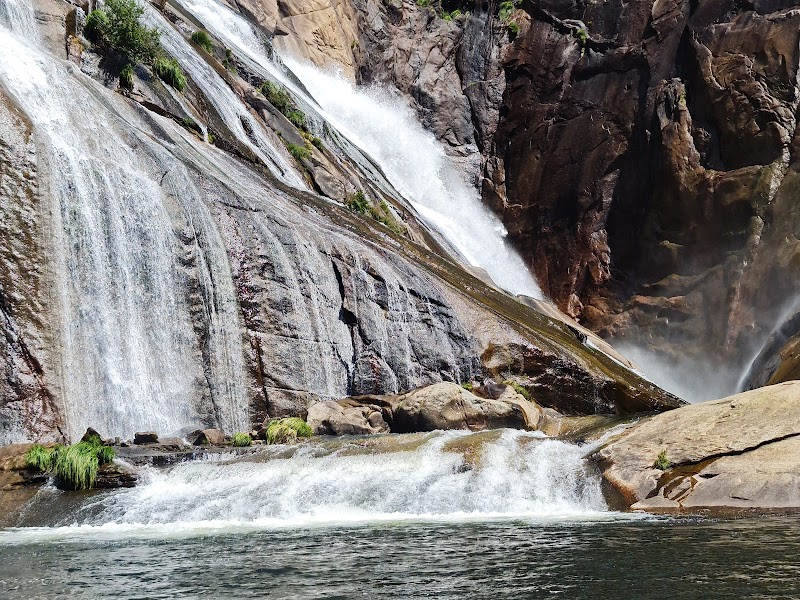
Wilderness Landscape & Natural Heritage
Ría de Arousa Natural Area of Community Importance (LIC) is located in the northwestern region of Spain within Galicia, encompassing the largest estuarine system of the Rías Baixas. This coastal area is marked by its expansive tidal waters, salt marshes, intertidal zones, and extensive seagrass beds, making it an ecological hotspot for marine biodiversity. The rich estuary supports important species including bivalves, fish, marine mammals, and migratory bird populations such as flamingos, herons, and egrets. The area’s geography is shaped by the confluence of rheophilic and marine influences, producing a complex network of islands, peninsulas, and salt flats, which are critical for both fish nursery habitats and bird breeding grounds. Historically, the ría has been intertwined with Galicia’s fishing and shellfish industry, especially for mussel farming, a notable cultural and economic feature of the region. Outdoor enthusiasts are drawn to Ría de Arousa for birdwatching, kayaking, and coastal hiking opportunities. The nearby coastal towns provide vibrant local culture and access points for exploring natural landmarks. Conservation efforts aim to protect endangered species and preserve water quality amidst growing tourism and aquaculture activities. Its designation as a Natural Area of Community Importance highlights its ecological value as part of the Natura 2000 network, balancing human use with habitat and species protection. Visitors can experience stunning estuarine landscapes, wildlife observation platforms, and traditional fishing villages while enjoying sustainable outdoor recreation.