Wilderness Landscape & Natural Heritage
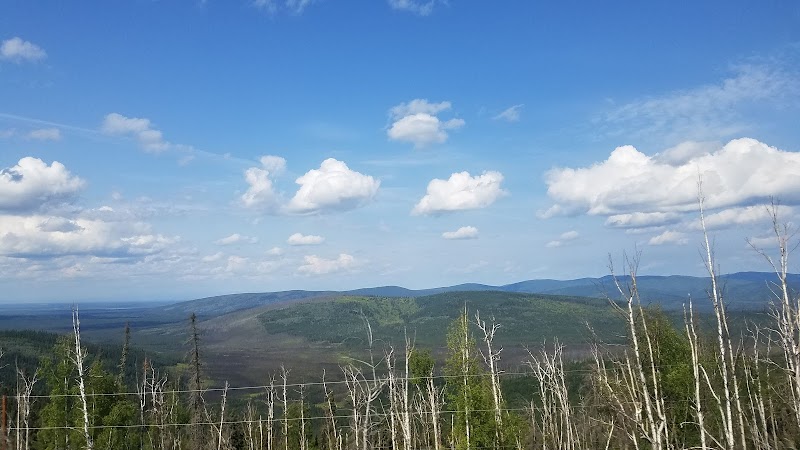
The Richardson Highway Corridor spans approximately 368 miles through the heart of Alaska, connecting the coastal city of Valdez with the interior city of Fairbanks. This highway follows the route of the first road constructed in Alaska, established in 1898 during the Klondike Gold Rush, making it one of the oldest highways in the state. The corridor traverses a range of landscapes, including coastal rainforests, expansive boreal forests, rugged mountain terrain, glacial rivers, and alpine tundra. It passes near notable protected areas such as Wrangell-St. Elias National Park and Preserve, the largest national park in the United States, offering ample opportunities for wildlife viewing, hiking, and backcountry camping. Visitors traveling the highway can experience spectacular scenic vistas of glaciers like Worthington Glacier, the Chugach Mountains, and the Alaska Range, as well as several river valleys and lakes. The route provides access to cultural and historic sites tied to Alaska Native peoples as well as early settlers and miners. Outdoor enthusiasts can engage in activities like fishing in the Delta and Gulkana Rivers, hiking trails accessible from highway pullouts, winter sports such as snowmobiling and cross-country skiing, and birdwatching in wetlands along the route. Throughout the year, the corridor attracts thousands of visitors who appreciate the combination of wilderness solitude, historic landmarks, and the convenience of a well-maintained highway that links wilderness areas with urban centers. Roadside stops feature interpretive sites, campgrounds, and visitor facilities. The Richardson Highway Corridor is both an important transportation artery and a gateway to Alaska’s diverse natural and cultural heritage.