Wilderness Landscape & Natural Heritage
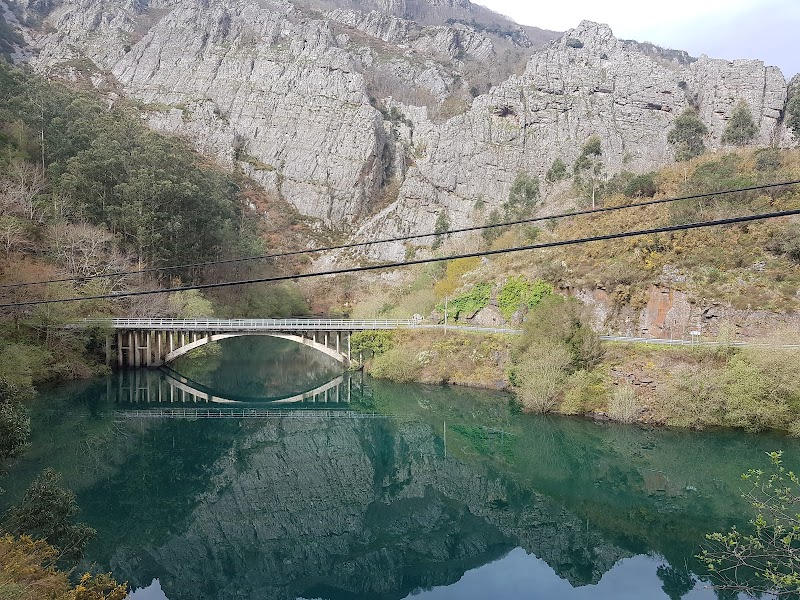
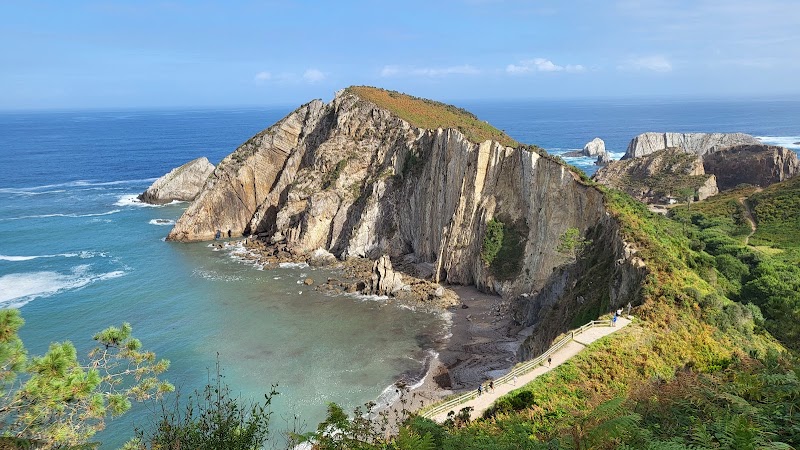
The Río Esva Estuary Protected Zone encompasses the estuarine area where the Río Esva meets the Cantabrian Sea in the autonomous community of Asturias, northern Spain. This protected zone covers a mosaic of coastal wetlands, mudflats, salt marshes, and riparian habitats that provide essential refuge to an array of aquatic and terrestrial wildlife, especially migrant and resident waterfowl. The estuary’s brackish waters foster a productive environment for fish nurseries and invertebrates, which in turn supports birds such as herons, egrets, and numerous waders. Vegetation includes halophytic plants adapted to saline conditions and riparian woodlands further inland. The area holds cultural values tied to traditional fishing and shellfish gathering practices that have been sustained over centuries. Visitors are drawn to the zone for its tranquil natural beauty, birdwatching hides, and interpretive trails winding through scenic vantage points. Its proximity to the Picos de Europa National Park and the Asturian coastline enhances its appeal as a complementary experience for nature enthusiasts. Though relatively small compared to larger natural parks, the Río Esva Estuary plays a crucial role in regional biodiversity conservation. Efforts include monitoring water quality and protecting habitats from urban encroachment and agricultural runoff. Seasonal flooding shapes the landscape dynamically, providing excellent photographic and observational opportunities in spring and autumn migration periods. The protected zone serves both as a natural heritage site and a living laboratory for estuarine ecology, attracting scientists and outdoor recreationists alike.