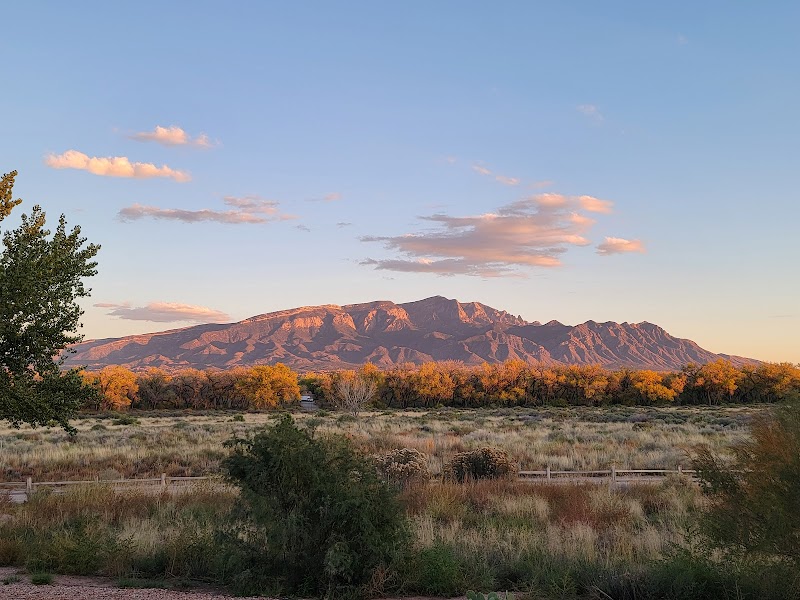
Wilderness Landscape & Natural Heritage
The Rio Iratapuru Sustainable Development Reserve is located in the state of Amapá in northern Brazil, covering a substantial portion of the Amazon Basin rainforest. It was established in 1997 to promote the sustainable use of natural resources by traditional communities while preserving the ecological integrity of the region. The reserve includes parts of the Iratapuru River basin and is adjacent to other protected areas, contributing to one of the largest blocks of uninterrupted Amazonian forest in the world. The landscape consists of dense tropical rainforest, numerous streams, rivers, and diverse terrain. The area is known for its exceptional biodiversity, including many endemic plant and animal species. It is home to traditional extractivist communities who sustainably harvest Brazil nuts, açaí, copaiba oil, and other forest products. Ecotourism is starting to develop, with visitors engaging in wildlife viewing, guided forest trails, and cultural exchange with local inhabitants. The reserve is critical for protecting endangered species such as the jaguar, giant river otter, and harpy eagle. Due to limited infrastructure, most access involves river travel and trekking. Its remoteness and natural richness make it appealing for researchers and adventurous travelers interested in primary rainforest ecosystems and indigenous cultures. Visitor experiences may include birdwatching, canoeing down peaceful rivers, and learning about the sustainable management practices that have allowed locals to coexist with the environment over generations.