Wilderness Landscape & Natural Heritage
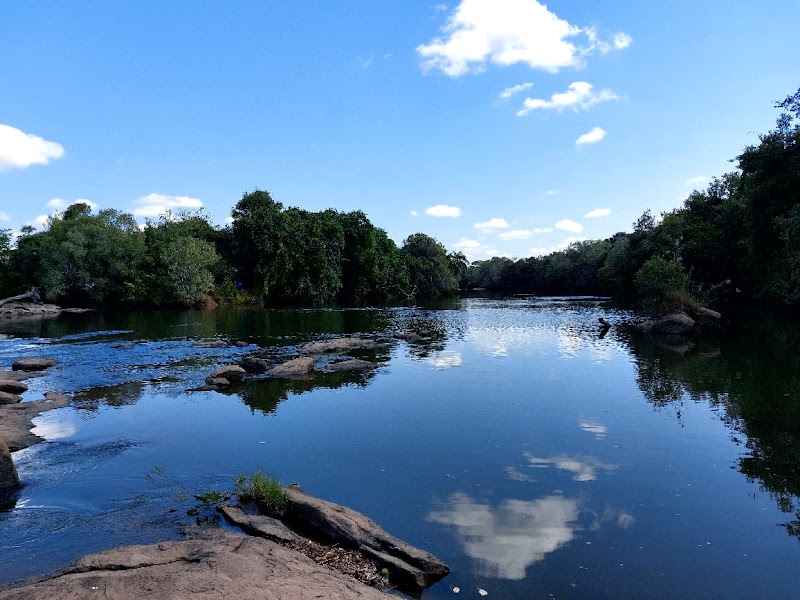
The Ruvuma River forms a natural boundary between Tanzania and Mozambique and flows approximately 998 kilometers before reaching the Indian Ocean. The riparian zones along its banks support an array of lush vegetation including riverine forests and wetlands critical for biodiversity conservation. These zones provide habitat for numerous species such as crocodiles, hippopotami, a variety of fish species, and riverine birdlife. These areas are vital for maintaining water quality, stabilizing riverbanks, and supporting local fishing communities. Historically, the river and its surrounding riparian habitats have been significant for indigenous peoples and continue to support rural livelihoods dependent on fishing, small-scale agriculture, and resource gathering. The ecological importance of the Ruvuma River riparian zones also extends to their role as corridors for wildlife movement between protected areas. While there are no formalized national parks encompassing the entire riparian corridor, local conservation initiatives and transboundary cooperation between Tanzania and Mozambique aim to manage and preserve these fragile ecosystems. Visitors to the Ruvuma region can engage in sustainable eco-tourism including guided riverboat trips, birdwatching, fishing excursions, and cultural visits to riverside communities. Additionally, researchers and conservationists frequently study the riparian zones to monitor ecosystem health and develop protection strategies. The scenic beauty combined with ecological and cultural richness makes the Ruvuma River Riparian Zones an important area for both nature appreciation and conservation efforts.