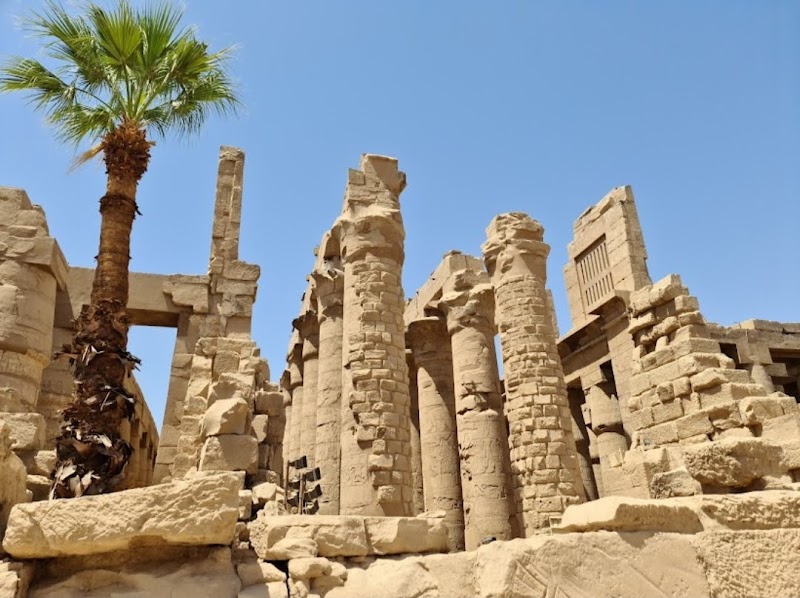
Wilderness Landscape & Natural Heritage
The Sahara Desert stretches over 3.6 million square miles across North Africa, touching territories of several countries including Algeria, Chad, Egypt, Libya, Mali, Mauritania, Morocco, Niger, Sudan, and Tunisia. Its geography is not just limited to endless dunes; it encompasses mountains, plateaus, sand seas, gravel plains, and oases. The ecosystem is harsh, supporting limited but unique flora and fauna such as the resilient dromedary camel, various lizards, rodents, and a few plant species adapted to arid environments. Historically, the Sahara has been a significant barrier and a crossroads for trade, influencing ancient cultures and modern settlements. Visitors can explore ancient rock art, fossilized trees, and ruins that tell stories of the peoples who once thrived here. Adventurers might enjoy activities like sandboarding, camel trekking, and exploring natural wonders such as the Erg Chebbi dunes in Morocco and the Hoggar Mountains in Algeria. Despite its harsh climate, the Sahara's diverse landscapes and cultural significance draw explorers and photographers seeking to capture its beauty and mystery.