Wilderness Landscape & Natural Heritage
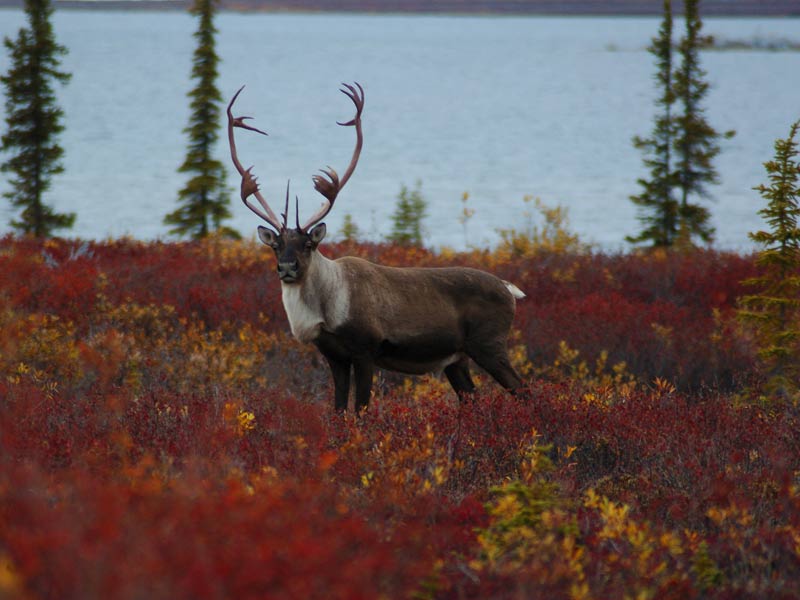
Sahtú Heritage Park, located in the Sahtú Region of the Northwest Territories, covers an expansive and ecologically diverse area characterized by boreal forests, tundra, wetlands, and glacially sculpted terrain. The park is named for the Sahtú (Great Bear Lake) region and honors the Dene Indigenous peoples who have inhabited and stewarded this land for millennia. The park's geography includes dense spruce forests, rolling hills, muskeg bogs, and crystal-clear lakes and rivers, offering important habitat for species such as woodland caribou, black bears, wolves, moose, and migratory birds. The cultural history in Sahtú Heritage Park is profound, with numerous archaeological sites, traditional hunting grounds, and places of spiritual significance tied to the Sahtúot’ine (Sahtú Dene people). This park emphasizes a collaborative governance approach with Indigenous communities, reflecting the integration of cultural preservation and environmental protection. Recreational opportunities in this remote park are largely backcountry-focused, including hiking, canoeing and kayaking on pristine waterways, wildlife viewing, and camping. Visitors who venture here can experience true wilderness, with virtually no developed infrastructure, making it a premier destination for experienced travelers seeking solitude and immersion in nature. Seasonal variations offer snow sports and ice fishing in winter, and canoe tripping and fishing in summer. Sahtú Heritage Park represents one of the Northwest Territories' newest and largest protected areas, promising profound ecological and cultural experiences in a stunning northern landscape.