Wilderness Landscape & Natural Heritage
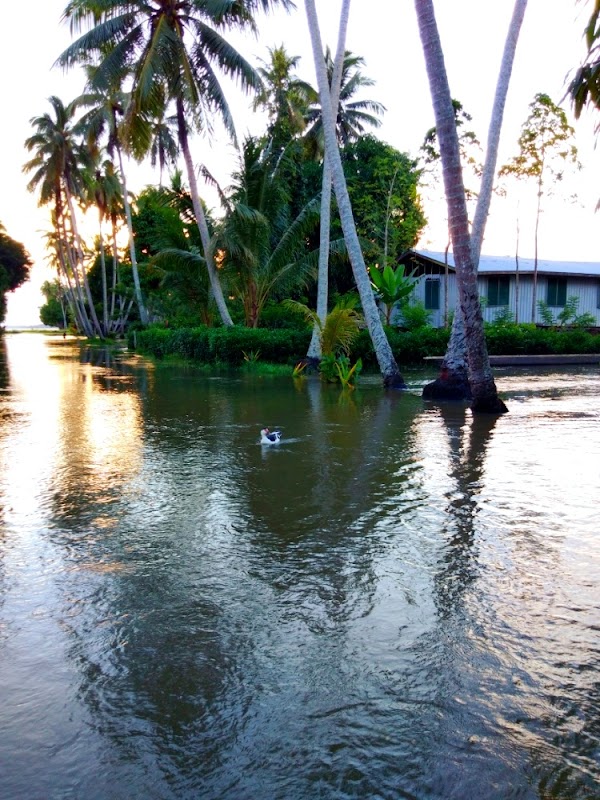
The Sepik Basin Wetlands cover a vast expanse along the Sepik River, spanning roughly 80,000 square kilometers in northern Papua New Guinea. This extensive wetland ecosystem includes seasonally flooded forests, intricate river channels, extensive swamps, and permanent lakes. The geography is dominated by the meandering Sepik River and its tributaries, which create a dynamic mosaic of aquatic habitats. Ecologically, the wetlands support an incredible diversity of flora and fauna, including endemic bird species, crocodiles, giant freshwater fish, and numerous aquatic plants. Historically, the Sepik Basin has been home to diverse indigenous communities whose cultures are closely tied to the river and wetlands, reflected in their unique art, rituals, and traditional ecological knowledge. Visitors to the Sepik Basin Wetlands generally experience the area by river boat, exploring remote villages and observing wildlife such as bird species like the pesquet's parrot, hornbills, and abundant waterfowl. The region is prized by bird watchers, anthropologists, and adventure travelers seeking immersion in one of the world's largest unspoiled wetland systems. Notable landmarks include the expansive Louisiade Swamp and culturally significant village clusters renowned for their wood carvings and spirit houses. The wetlands’ remote access and expansive waterways offer a rare chance to experience a largely undisturbed natural environment amid traditional human landscapes. Due to its ecological and cultural importance, parts of the Sepik Basin Wetlands are under conservation focus to maintain biodiversity and support sustainable local livelihoods.