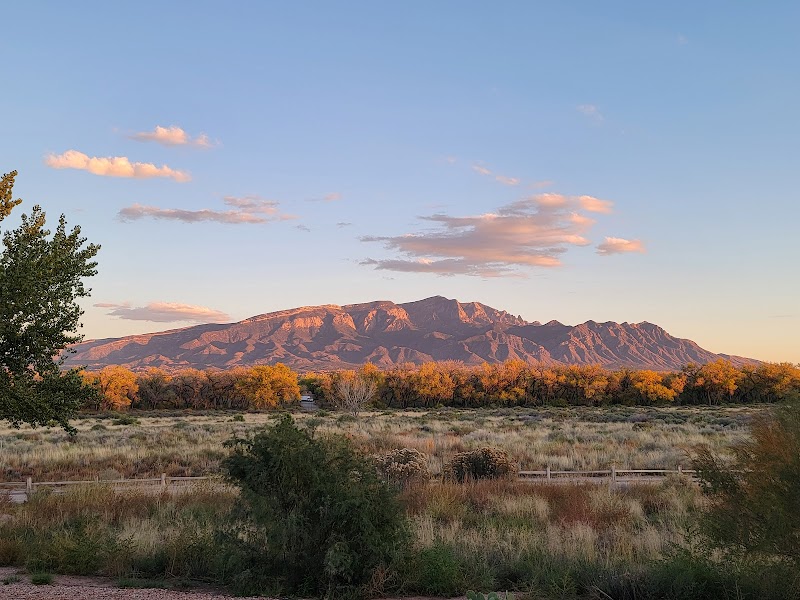
Wilderness Landscape & Natural Heritage
Serranía de la Neblina National Park, created in 1998, is one of the most isolated and pristine protected areas in the Amazon basin. It is named after the massive Neblina Massif, a sandstone plateau or tepui rising to 2,992 meters (9,816 feet), which frequently shrouds itself in mist, hence its name, "Mountain of the Mist." The park spans approximately 16,000 square kilometers and represents an exceptional mix of diverse ecosystems including tropical lowland rainforest, cloud forest, mountain shrubland, and numerous unique tepui summit habitats. It is home to an astonishing array of endemic plants and animals, some of which exist nowhere else on Earth, such as rare amphibians, orchids, and carnivorous plants adapted to nutrient-poor soils. The area also holds paleoclimatic significance with its geological formations shedding light on ancient Earth history. Due to its remoteness, access is typically by specialized expeditions often involving river travel, hiking, and aerial support, making it a destination primarily for experienced ecotourists, biologists, and adventurers. Key recreation opportunities include hiking to the summit of Pico da Neblina, wildlife spotting, and photographing the extraordinary landscapes formed by layered sandstone cliffs, waterfalls, and persistent cloud cover. This park’s rugged terrain and ecological importance attract those seeking to explore one of the world's last vast wildernesses in South America. Its designation also protects indigenous communities' ancestral lands within and around the park, emphasizing the connection between cultural heritage and natural conservation.