Wilderness Landscape & Natural Heritage
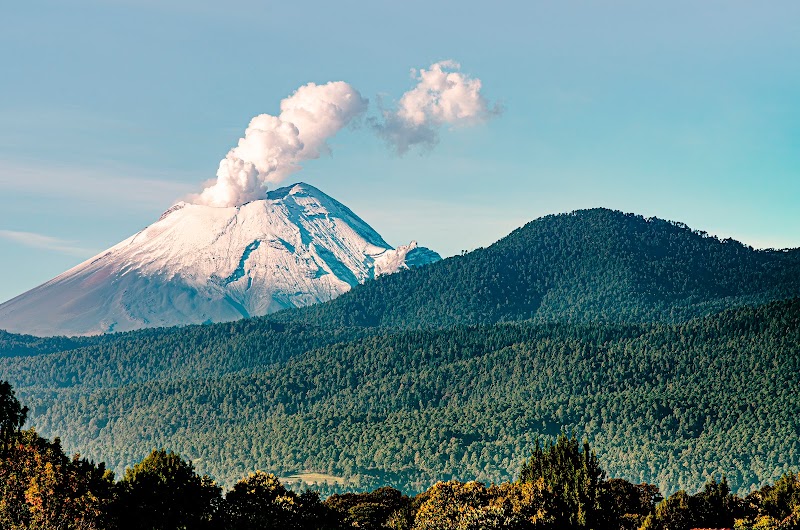
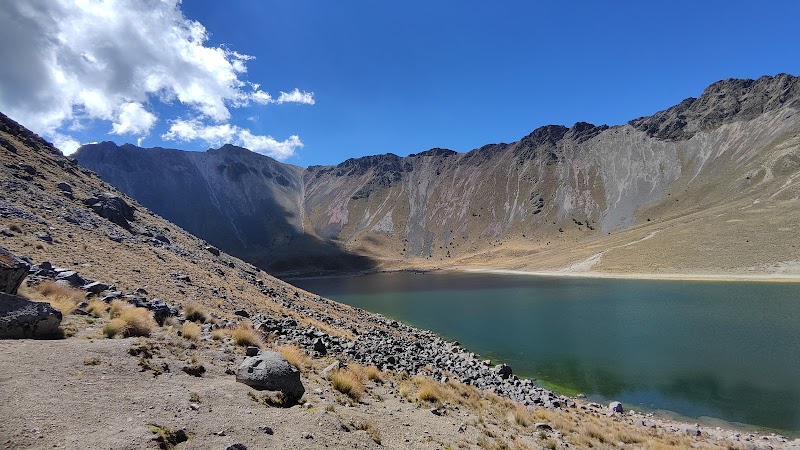
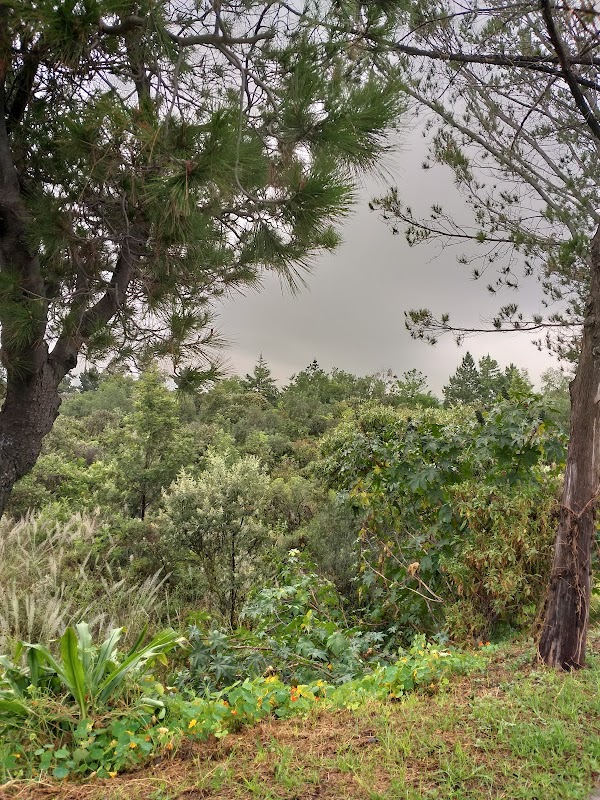
The Sierra de Huahutla Biosphere Reserve, established in 2006, protects approximately 59,031 acres (23,900 hectares) of montane cloud forests, pine-oak forests, and tropical deciduous forests in the rugged Sierra de Huautla mountain range in the state of Morelos, Mexico. This biological reserve plays a critical role in the conservation of one of Mexico’s most diverse and ecologically significant ecosystems located in the southern Trans-Mexican Volcanic Belt. The area's complex topography includes steep slopes, ravines, and canyons with elevations ranging from around 700 to over 2,300 meters (2,300 to 7,500 feet). These variations create diverse microclimates and habitats for a remarkable array of plant and animal species, many of them endemic and endangered. Within the reserve, visitors can experience remote trails through vibrant forests where rare birds such as the mottled owl and military macaw can be spotted. Mammals like jaguars, ocelots, and spider monkeys find refuge in this protected area. The reserve also preserves archeological sites and local indigenous communities who maintain traditional sustainable land use practices. Outdoor enthusiasts are drawn to the region for hiking, birdwatching, and ecotourism ventures. The reserve’s trails range from moderate to challenging, immersing hikers in waterfalls, viewpoints, and diverse wildlife habitats. Its remote location offers a sense of wilderness increasingly rare in central Mexico. The Sierra de Huahutla Biosphere Reserve represents a crucial natural and cultural treasure aimed at balancing conservation with community development and eco-friendly tourism.