Wilderness Landscape & Natural Heritage
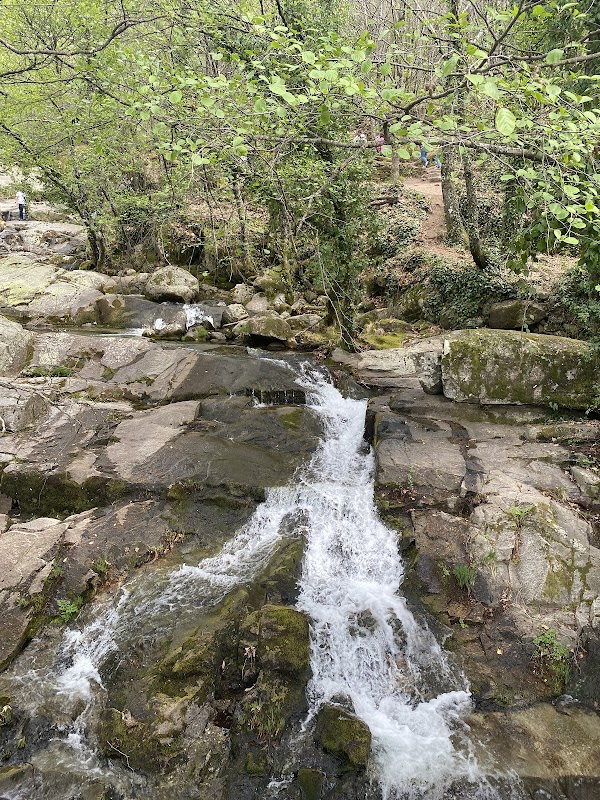
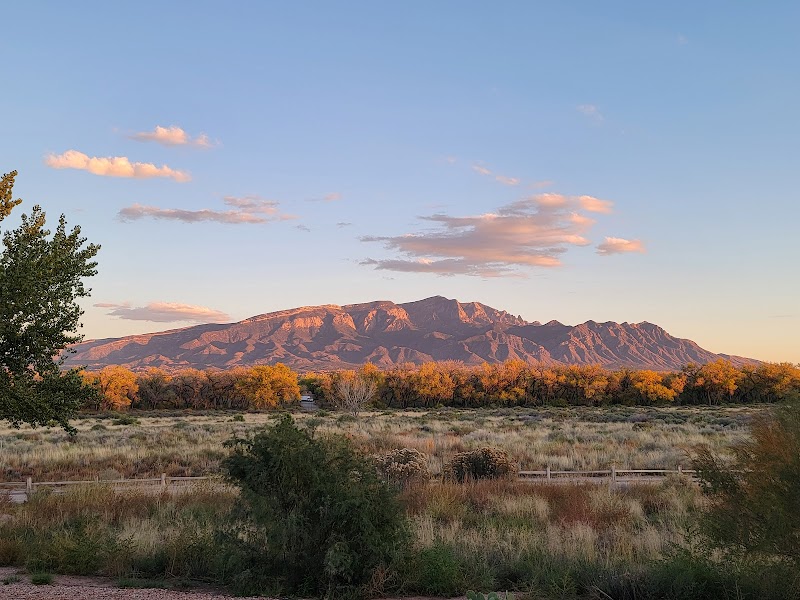
Located in Castilla-La Mancha, Spain, the Sierra de San Vicente Protected Landscape encompasses a mountainous region that forms part of the Sistema Central mountain range. Characterized by steep limestone and granite formations, the area features notable peaks such as Pico de la Bañuela, rising to approximately 1,448 meters, offering dramatic vistas of surrounding valleys and the Tagus River basin. The region supports a Mediterranean forest ecosystem dominated by holm oaks, junipers, and cork oaks, interspersed with scrubland and riparian vegetation along seasonal streams. This biodiversity corridor shelters various fauna including wild boar, roe deer, birds of prey such as the Bonelli's eagle, and numerous amphibians and reptiles endemic to the Iberian Peninsula.
Historically, the Sierra de San Vicente has cultural importance with traditional farming and pastoral activities shaping the landscape. Ancient stone villages and historic hermitages dot the mountainsides, providing cultural and historical context alongside natural beauty. Outdoor enthusiasts can explore an extensive network of hiking and mountain biking trails that traverse ridges and forests, offering opportunities for wildlife viewing, photography, and seasonal mushroom foraging. The area is favored for its relatively unspoiled nature and tranquil ambiance, making it ideal for nature lovers seeking solitude and immersion in a rugged Spanish landscape.
Key landmarks include the Cerro de la Estrella viewpoint, which offers panoramic views, and the small reservoirs and springs that sustain the area's ecology. The protected status aims to preserve the ecological integrity and traditional land uses while promoting sustainable tourism. Visitors are drawn by the balance of rich biodiversity, accessible trails, and a connection to regional cultural heritage, making Sierra de San Vicente a prized natural gem in Castilla-La Mancha.