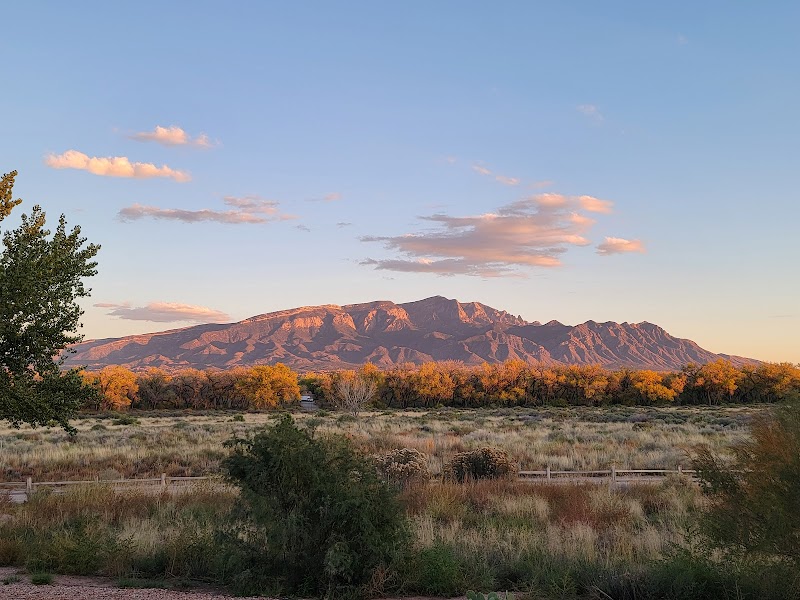
Wilderness Landscape & Natural Heritage
The Simpson Desert Regional Reserve covers a significant portion of the arid Simpson Desert in northeastern South Australia. Characterized by long parallel red sand dunes running predominantly northwest to southeast, it represents one of the largest sand dune deserts in the world. The area spans flat desert plains and dune fields, with scattered salt pans and ephemeral waterholes. Vegetation is sparse but adapted to the extreme dry conditions, including spinifex grasses, acacias, and desert shrubs. Wildlife such as the rare marsupial marsupial mole, various reptiles, and desert bird species inhabit the area, adapted to survive in this harsh environment. The region has cultural significance to the indigenous peoples, particularly the Wangkangurru/Yarluyandi nations, whose traditional knowledge informs conservation efforts. Recreational activities primarily include 4WD expeditions across challenging sand tracks, camping under vast starry skies, and observational wildlife tours. Key landmarks include prominent sand dune systems like the Big Red, known for its scale and panoramic views accessible by experienced drivers. The remoteness and minimal infrastructure appeal to adventure travelers seeking solitude and raw desert landscapes. Visitors must prepare for extreme temperatures, limited water sources, and rugged conditions. The reserve is managed by the South Australian Department for Environment and Water with an emphasis on preserving the ecological integrity of the desert while allowing sustainable recreational use. Access is often seasonal and dependent on weather and road conditions.