Wilderness Landscape & Natural Heritage
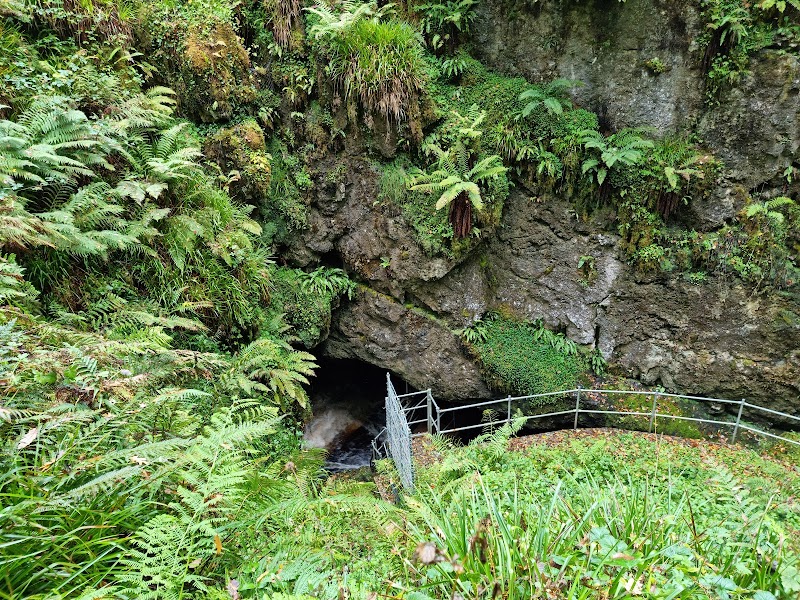
Slieve Beagh is a remote, rugged upland region located at the tripoint of counties Monaghan (Republic of Ireland), Fermanagh, and Tyrone (Northern Ireland). Its highest peak reaches approximately 380 meters (1,247 feet), characterized by blanket bog, heathland, and scattered woodland. The blanket bogs and peatlands support a variety of wildlife, including upland bird species such as curlew, hen harrier, and meadow pipit. The terrain is predominantly moorland with deep peat, winding streams, and rocky outcrops, reflecting a glacial past. Historically, Slieve Beagh is steeped in Irish folklore with ancient cairns, standing stones, and remnants of early settlements scattered across its expanse. It serves as a natural border area with a blend of cultural influences from both Northern Ireland and the Republic. Recreational opportunities include hiking through open moorlands and peat bogs, wildlife watching, and exploring archaeological sites. Trails are generally informal and require good navigation skills due to the rugged and often boggy conditions. The area is known for its tranquility and remoteness, attracting visitors seeking solitude and a connection to wild, natural landscapes. Access points are limited, and visitors should prepare for rapidly changing weather and challenging footing. Slieve Beagh’s unique ecological and cultural character makes it an important conservation area recognized by both countries, preserving its rare habitats and traditional rural way of life.