Wilderness Landscape & Natural Heritage
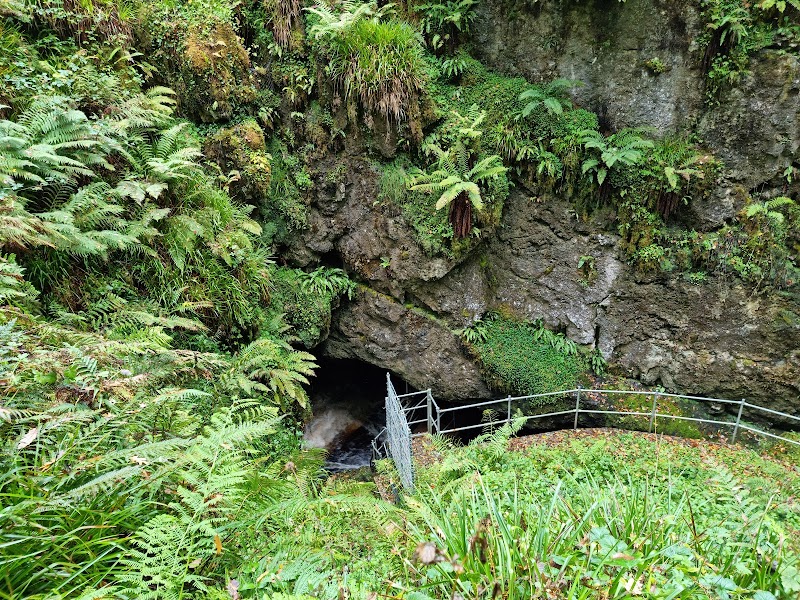
Slieve Beagh Special Area of Conservation (SAC) encompasses a remote and wild upland plateau straddling the border between the Republic of Ireland and Northern Ireland, primarily covering parts of County Monaghan, County Fermanagh, and County Tyrone. This area is characterized by extensive blanket bog, wet heath, and upland mixed woodland, making it a rare and important habitat for a host of plant and animal species including peat-forming mosses, carnivorous plants like sundews, and avian species such as hen harriers and short-eared owls. The landscape is marked by gently rolling hills, peatlands, and scattered boulder fields which provide a unique sense of wilderness and solitude. Historically, Slieve Beagh has been used for low-intensity agriculture and peat cutting, although modern conservation efforts aim to preserve its fragile ecology and restore degraded bog areas. Outdoor enthusiasts visiting the SAC can experience peaceful hiking, birdwatching, and nature photography in an area largely untouched by development. The internationally significant peatlands that dominate the site contribute to carbon sequestration and act as important natural water regulators. Key landmarks include the highest points of Slieve Beagh, which offer panoramic views across the borderland countryside, and several small lochs dotting the boggy terrain. The SAC’s cross-border designation reflects collaborative conservation between Northern Ireland and the Republic, providing educational and ecological connectivity opportunities. While recreational infrastructure is minimal to protect the environment, the area’s wild landscapes reward those who seek remote and tranquil exploration immersed in Irish natural heritage.