Wilderness Landscape & Natural Heritage
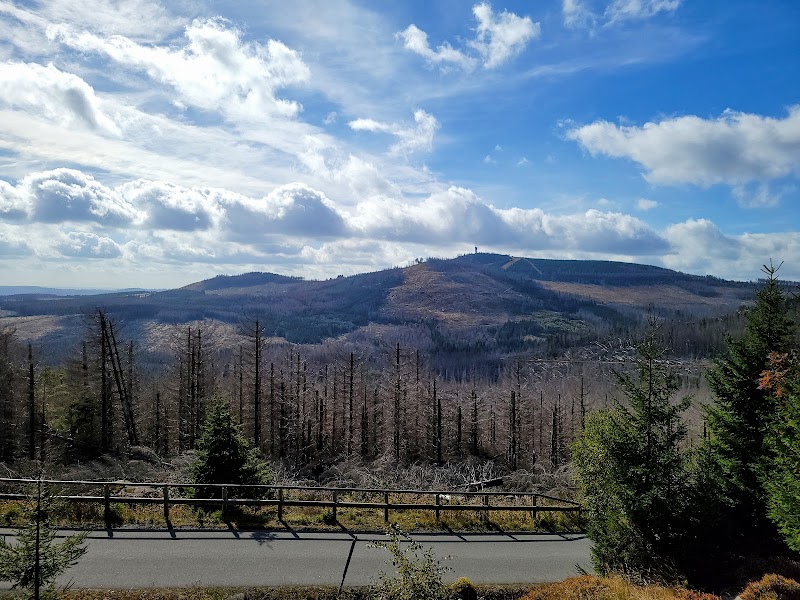
Established in 1966, Solling-Vogler Nature Park spans across the Weser Uplands region in southern Lower Saxony, Germany. Covering an area dominated by the Solling and Vogler hill ranges, the park comprises dense deciduous and coniferous forests, rolling hills, meadows, and river valleys, providing a diverse ecosystem that supports a variety of flora and fauna. The park is notable for its large stands of beech and spruce trees, mixed woodlands, and valuable habitats for wildlife including deer, wild boar, and numerous bird species such as the black stork and peregrine falcon. Historically, the area was important for forestry and charcoal production, with remnants of old charcoal pits and traditional forest management practices still visible. Visitors can explore an intricate network of well-marked hiking and biking trails that traverse the scenic woodlands, alongside trails suited for horseback riding and nordic walking. Notable landmarks include the Hochsolling plateau and the Vogler massif, which offer panoramic viewpoints. The park also hosts several cultural sites including old timbered villages, traditional farmsteads, and nature-themed educational centers. Its tranquility and natural beauty make it a favored destination for outdoor enthusiasts seeking hiking, mountain biking, wildlife watching, and forest bathing in a largely unspoiled landscape. Accessibility is supported by nearby towns such as Holzminden and Bodenwerder, which also provide accommodations and visitor services. The park’s blend of natural and cultural heritage makes it an enriching destination year-round.