Wilderness Landscape & Natural Heritage
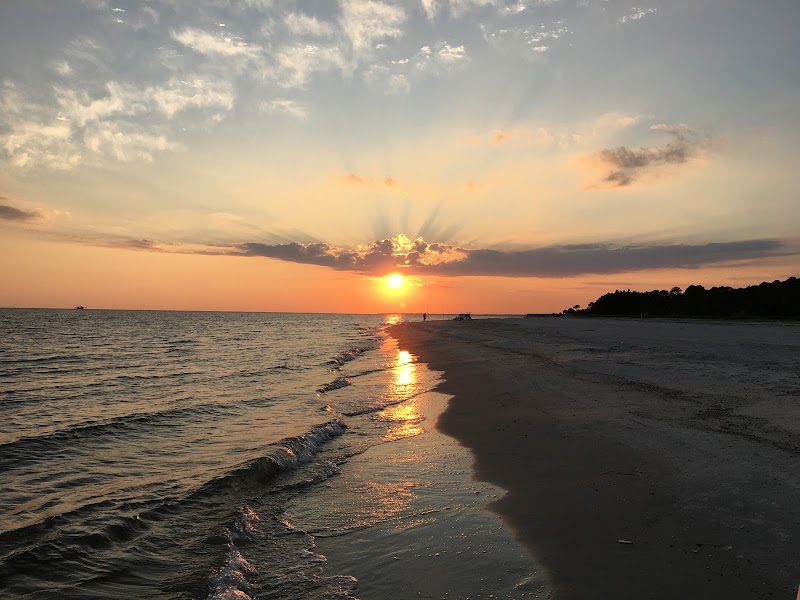
Special Protection Areas (SPAs) in coastal wetlands represent essential conservation sites safeguarded primarily for their significance in supporting vulnerable and migratory bird populations. Located along coastlines that span multiple U.S. states, these SPAs encompass salt marshes, tidal flats, estuaries, mangroves, and mudflats that form complex, productive ecosystems where fish, shellfish, waterfowl, and migratory birds find critical breeding, feeding, and resting habitats. These coastal wetlands have historically been threatened by development, pollution, and climate change, prompting federal and state agencies to designate these areas for special protection under various environmental and migratory bird statutes.
The geography of these coastal wetland SPAs typically features flat lowlands with tidal influence that bring in nutrients from the ocean and estuaries, creating lush environments teeming with invertebrates and aquatic plants. Ecologically, these areas serve as nurseries for numerous marine species, stopover points for migratory birds on the Atlantic and Pacific flyways, and wintering grounds for waterfowl. Visitors to SPAs often encounter species such as the American avocet, black skimmer, least tern, and many species of herons and egrets.
Recreational opportunities focus on low-impact activities, including guided birdwatching tours, kayaking through estuarine channels, and photography of unique wildlife in fragile habitats. Several SPAs have constructed boardwalks and observation hides allowing safe access while minimizing disturbance to sensitive areas. Important landmarks may include distinctive salt marsh meadows, historical tidal canals, and nesting grounds for rare shorebirds. The visitor appeal arises from the combination of serene, natural beauty, exceptional wildlife viewing, and educational programming highlighting coastal conservation challenges and successes.