Wilderness Landscape & Natural Heritage
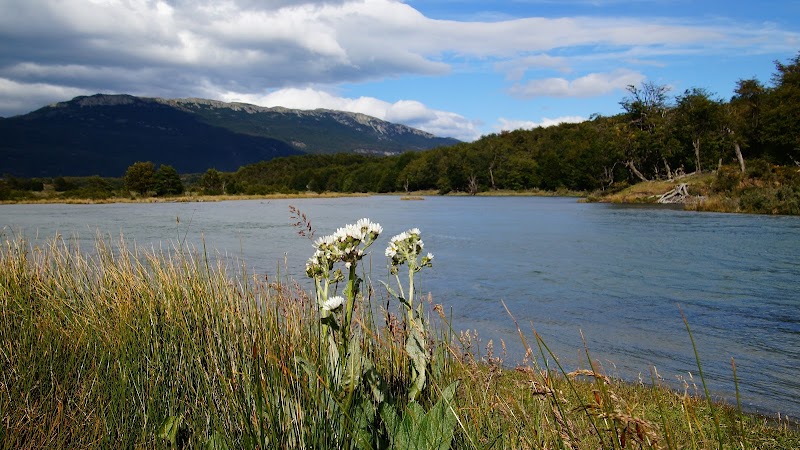
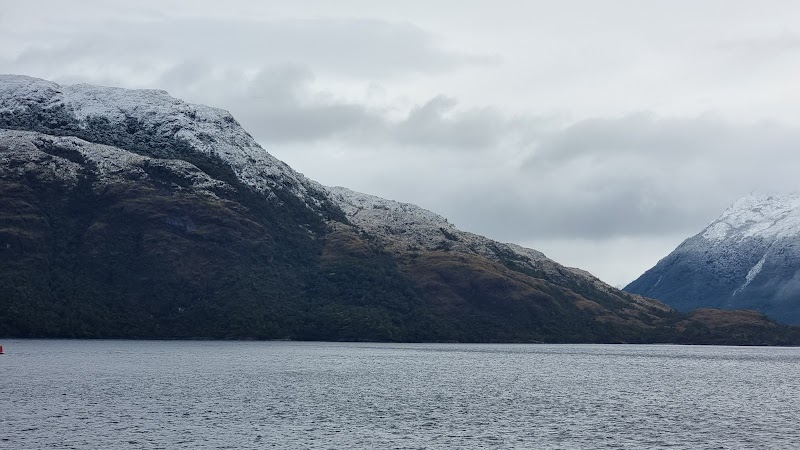
The Straits of Magellan is a natural sea route located at the southern tip of South America, connecting the Atlantic and Pacific Oceans. Stretching about 350 miles (560 km) between the Patagonian mainland and Tierra del Fuego, the straits provide a crucial maritime passage that has been historically important since Ferdinand Magellan's expedition in 1520. The region features rugged coastlines, rugged fjords, islands, and diverse ecosystems supported by cold, nutrient-rich waters. The surrounding landscape is characterized by Patagonian forests, peat bogs, and steppe, which support a variety of wildlife including guanacos, Magellanic penguins, sea lions, otters, and abundant seabird populations. The area holds cultural significance for indigenous groups and is dotted with small settlements and historic sites such as Fort Bulnes and Punta Arenas, a gateway city for explorers and tourists. Visitors can explore the straits through boat tours, kayaking, hiking on coastal trails, and wildlife watching. The complex waterways and unpredictable weather provide challenging conditions for adventurous sailors and kayakers. Notable landmarks include Magdalena Island’s penguin colonies, the historic lighthouse of San Isidro, and the dramatic Cape Froward cliffs. The Straits of Magellan appeal to travelers interested in nature, history, and seafaring, offering opportunities to appreciate the remote and wild southern tip of the Americas.