Wilderness Landscape & Natural Heritage
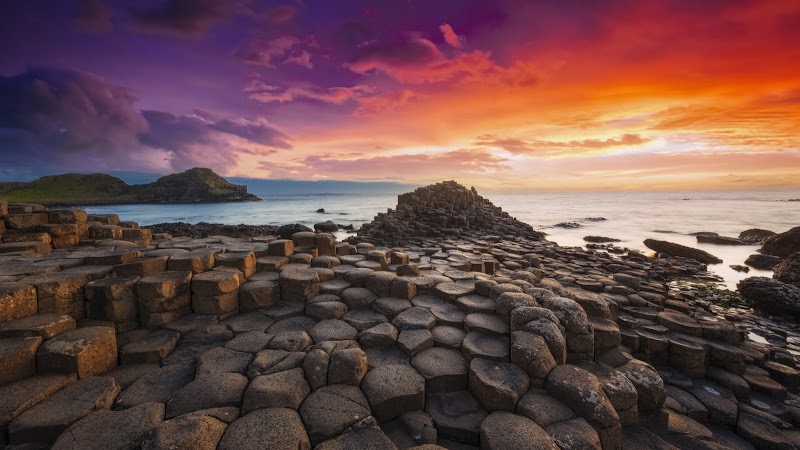
Strangford Lough is the largest sea inlet in the British Isles, spanning approximately 150 square kilometers along the east coast of Northern Ireland in County Down. This expansive tidal inlet connects to the Irish Sea and includes a mixture of marine, intertidal, and terrestrial habitats. The area is designated a Ramsar Site due to its international significance as a wetland, hosting diverse habitats such as mudflats, salt marshes, rocky shores, and submerged aquatic vegetation. The lough supports a wide range of flora and fauna including internationally important populations of wintering waterbirds such as black-tailed godwit, oystercatcher, and remarkable numbers of mollusks and fish species. The site also features several islands, including the notable Copeland Islands, which provide nesting grounds for seabirds.
Strangford Lough has historical importance dating back to early Christian settlements, with several ancient sites dotted across the area. Today, it serves as a focal point for recreation, including birdwatching, sailing, kayaking, and coastal walking. The Strangford Lough Country Park offers visitor facilities and trails that showcase the lough’s natural beauty. Numerous small villages around the lough provide access points and amenities. The region’s rich marine biodiversity and scenic vistas attract both local visitors and international eco-tourists. Conservation efforts focus on protecting sensitive habitats while enabling sustainable use of the lough's resources. Overall, Strangford Lough is a vital natural area blending ecological richness with cultural heritage and outdoor enjoyment.