Wilderness Landscape & Natural Heritage
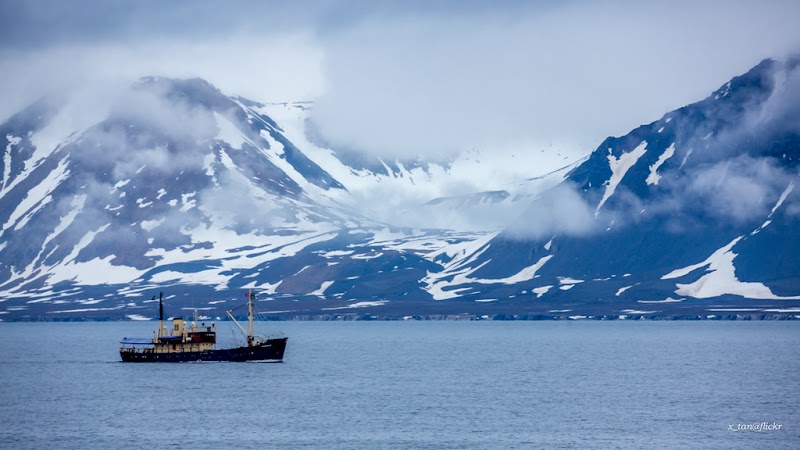
The Svalbard Nature Reserves consist of several protected areas scattered throughout the Svalbard archipelago, located in the Arctic Ocean north of mainland Norway. These reserves include large tracts of tundra, glaciers, fjords, and coastal ecosystems that preserve some of the world's most pristine Arctic environments. The reserves were established to protect fragile Arctic flora and fauna, including polar bears, Arctic foxes, reindeer, and numerous seabirds. The diverse landscapes range from glaciers and pack ice in the north to coastal cliffs and valleys inland, shaped by dramatic glacial processes and Arctic climatic conditions. Historically, Svalbard has been a site for whaling, trapping, and mining, but its protection status now prioritizes conservation and scientific research. Visitors today are drawn to the reserves for guided wildlife viewing, glacier trekking, boat safaris through fjords, and photography of the rugged, remote wilderness. Notable landmarks within or near the reserves include the towering Nordaustlandet glaciers, the bird cliffs at Alkefjellet, and the rich marine ecosystems surrounding the islands. Access is generally by boat or snowmobile depending on the season, with strict regulations to prevent disturbance to wildlife and fragile habitats. The reserves are a critical habitat for polar bears, making responsible travel and adherence to safety guidelines essential. The vast, unpopulated nature of these reserves offers visitors a rare glimpse into the high Arctic's untouched natural beauty and ecological importance.