Wilderness Landscape & Natural Heritage
Swansea Bay Special Protection Area (SPA) stretches along the southern coast of Wales, encompassing the intertidal mudflats, saltmarshes, and sand dunes of Swansea Bay and adjoining estuaries. This coastal zone serves as an essential habitat for numerous bird species, especially during migration and winter months. It provides feeding and roosting grounds for internationally important populations of waders such as Eurasian curlew, redshank, and common shelduck. The area also supports baulking populations of dunlin and oystercatcher.
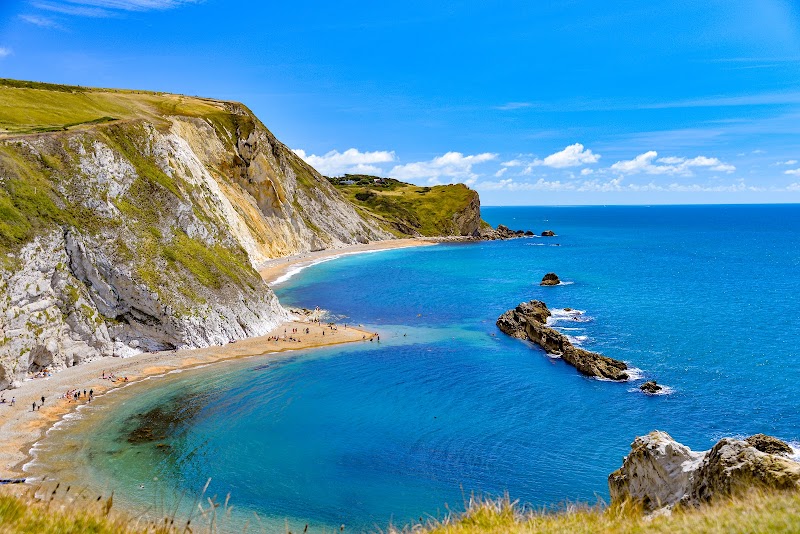
Geographically, Swansea Bay covers a substantial stretch of the northern shores of the Bristol Channel and features extensive mudflats shaped by tidal action. The adjacent saltmarshes are rich in salt-tolerant plants and provide critical shelter and nesting sites. The bay’s ecology is strongly influenced by the dynamic marine and estuarine environments.
Historically, this coastal area has been valued for shellfishing, small-scale agriculture, and local communities’ fishing heritage. The SPA is now managed primarily for conservation, with efforts to maintain habitat quality and protect vulnerable bird populations.
Visitors to Swansea Bay SPA can enjoy birdwatching at several viewpoints, coastal walking along the Wales Coast Path, and photography focusing on the natural habitats and abundant wildlife. Trails along the bay provide opportunities to explore diverse intertidal ecosystems and observe seasonal changes in bird populations. The estuaries and coastline also offer scenic spaces for hiking and quiet recreation.
Overall, Swansea Bay SPA combines important ecological value with accessible recreational activities, attracting wildlife enthusiasts and nature lovers to experience its coastal landscapes and avian residents.