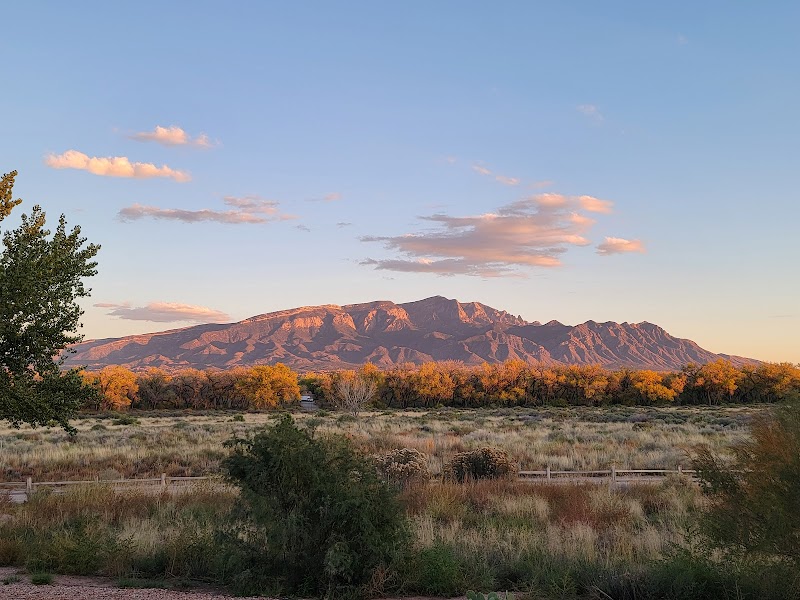
Wilderness Landscape & Natural Heritage
The Taebaek Mountain Range stretches over 400 kilometers along the eastern Korean Peninsula, primarily through Gangwon-do and North Gyeongsang provinces. This mountainous backbone features some of South Korea's highest peaks, including Taebaeksan (1,567 meters) and Seoraksan National Park, known for dramatic granite cliffs and rare flora. The range plays a vital ecological role, housing diverse temperate forest ecosystems dominated by conifers, deciduous trees, and alpine meadows. It is also culturally significant, with numerous ancient Buddhist temples such as Manggyeongsa Temple nestled on the slopes, serving as pilgrimage and tourist destinations. Outdoor enthusiasts flock here for hiking, mountain biking, and winter snow sports, especially around accessible national parks like Odaesan and Seoraksan, which offer well-maintained trail networks and picturesque vistas. The Taebaek range experiences cold snowy winters and mild summers, making it a year-round destination depending on activity preference. The area's rich biodiversity includes endangered species like the Korean goral and Asiatic black bear. Protecting the fragile alpine environment remains a priority as visitor numbers increase. Numerous festivals, such as the annual Taebaeksan Snow Festival, celebrate the cultural and natural heritage of the mountains. Overall, the Taebaek Mountain Range presents a harmonious blend of natural beauty, outdoor recreation, and deep cultural roots, appealing to adventurers, nature lovers, and those interested in Korean history alike.